10 Week Project
Umeå Institute of Design: General Product Course, 2019 Collaboration Partner: Region Västerbotten, Inuse, RISE Interactive Team: Connie Jehu, Nancy Valerdi, Manu Revi Mentors: UID teachers, Microsoft , RISE Interactive, Pernilla Glaser, Jundan Zhang
My Role
Ethnographic Research, Ideation, Leading Co-Creation Workshop, User Testing, Interaction Design, Conceptualisation, Application Design (Sketch) and Prototyping (Principle), Graphic Design (Illustrator), Storytelling, Final Presentation (Keynote)
News
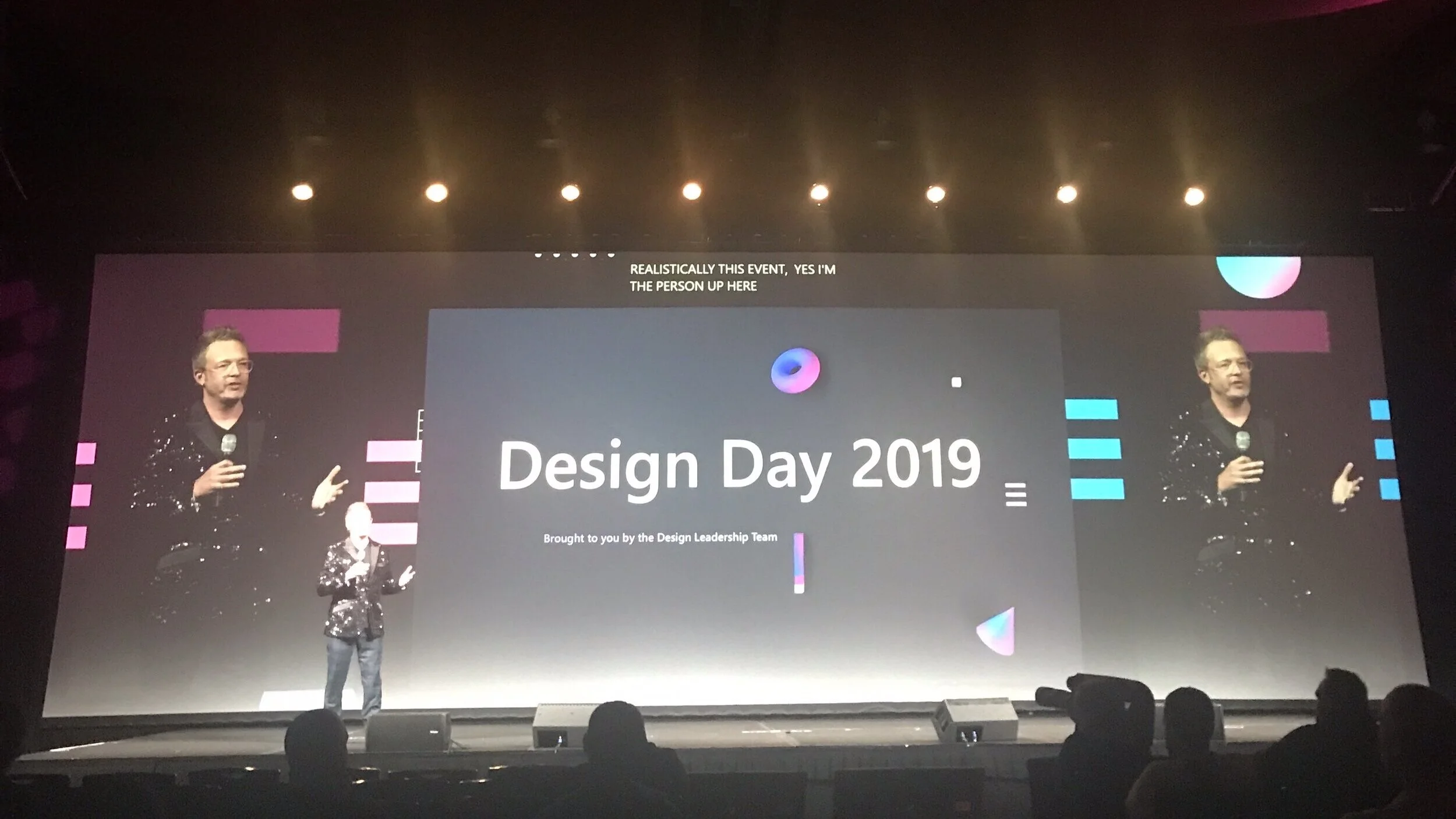
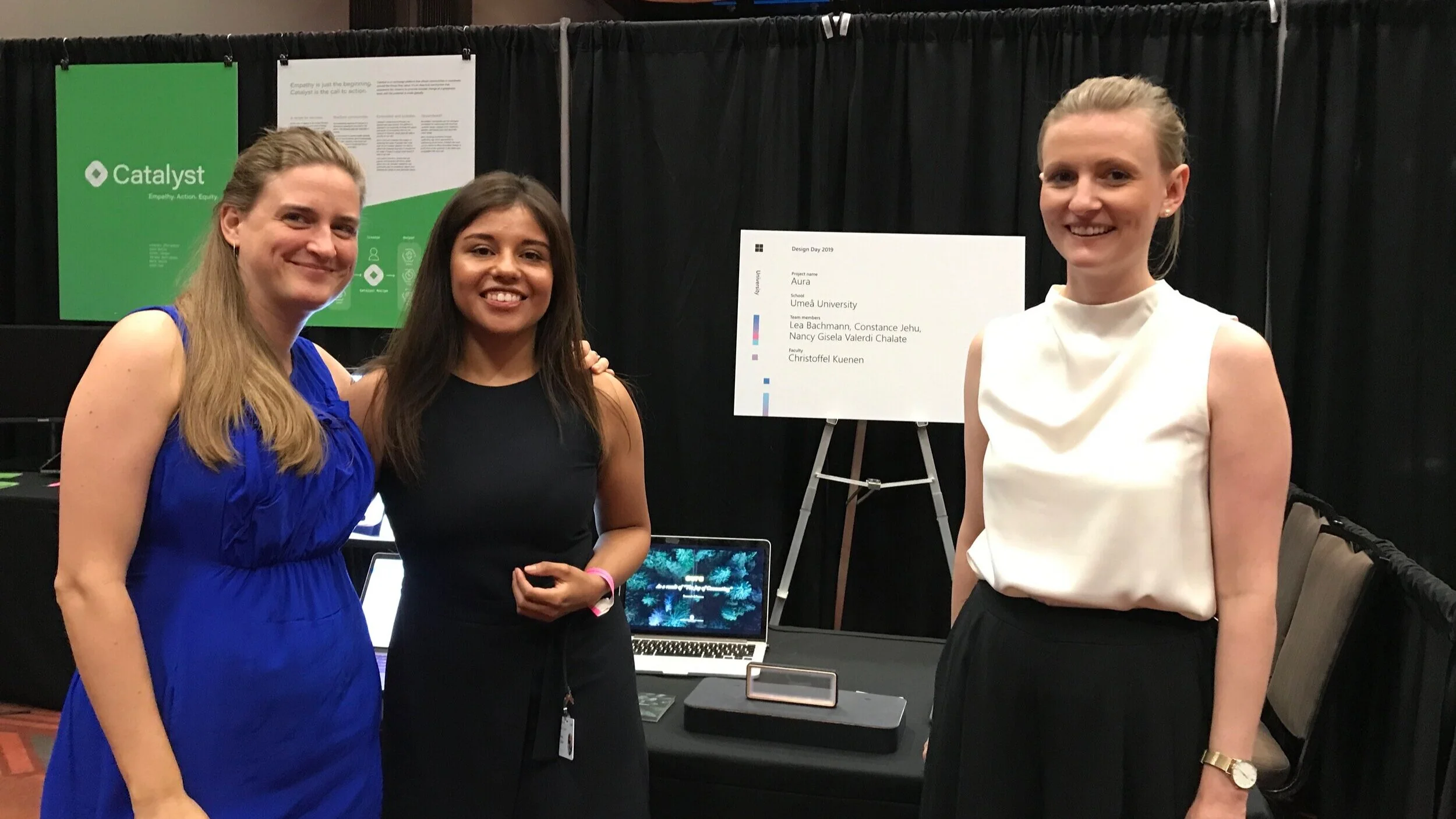
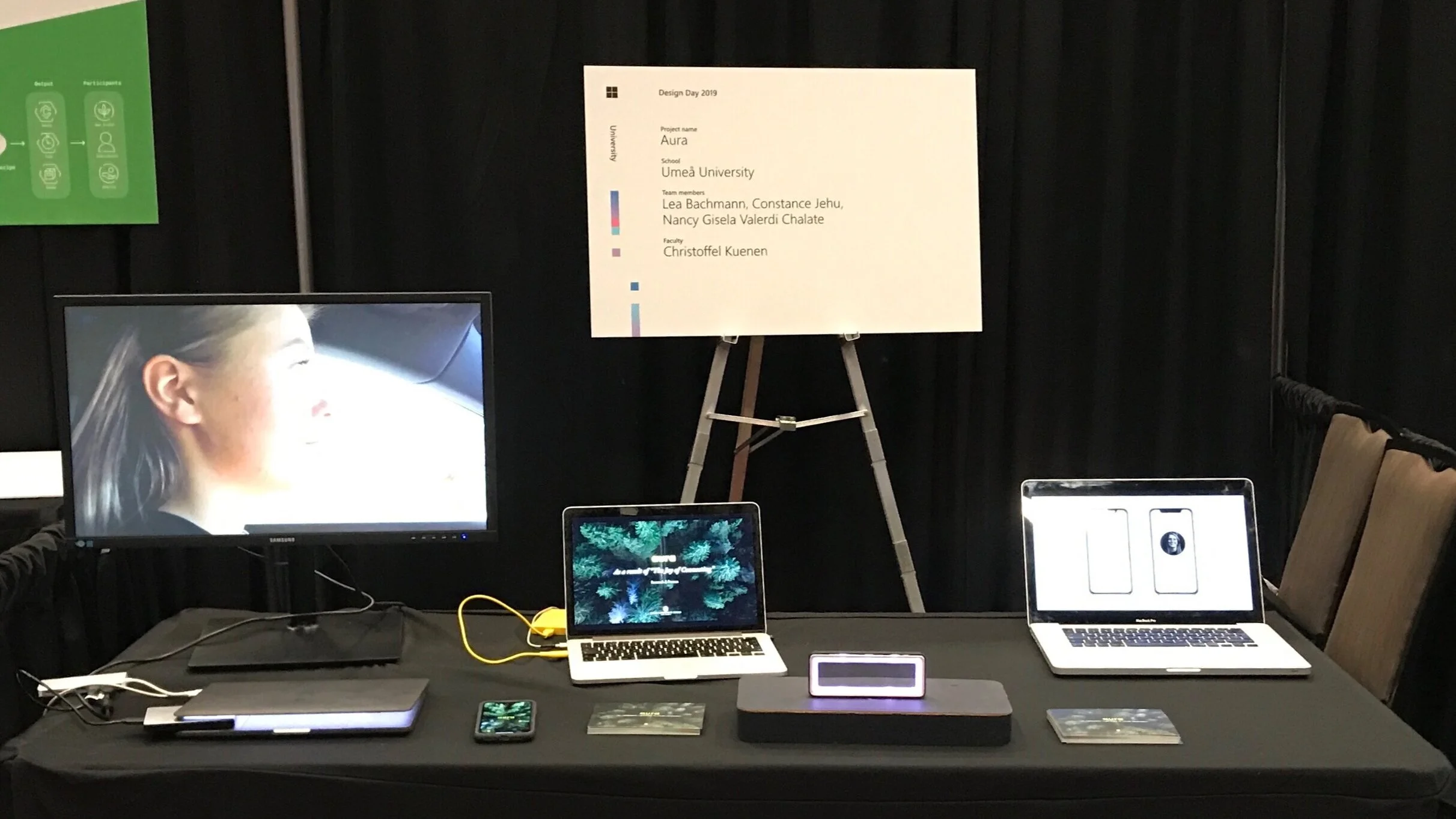
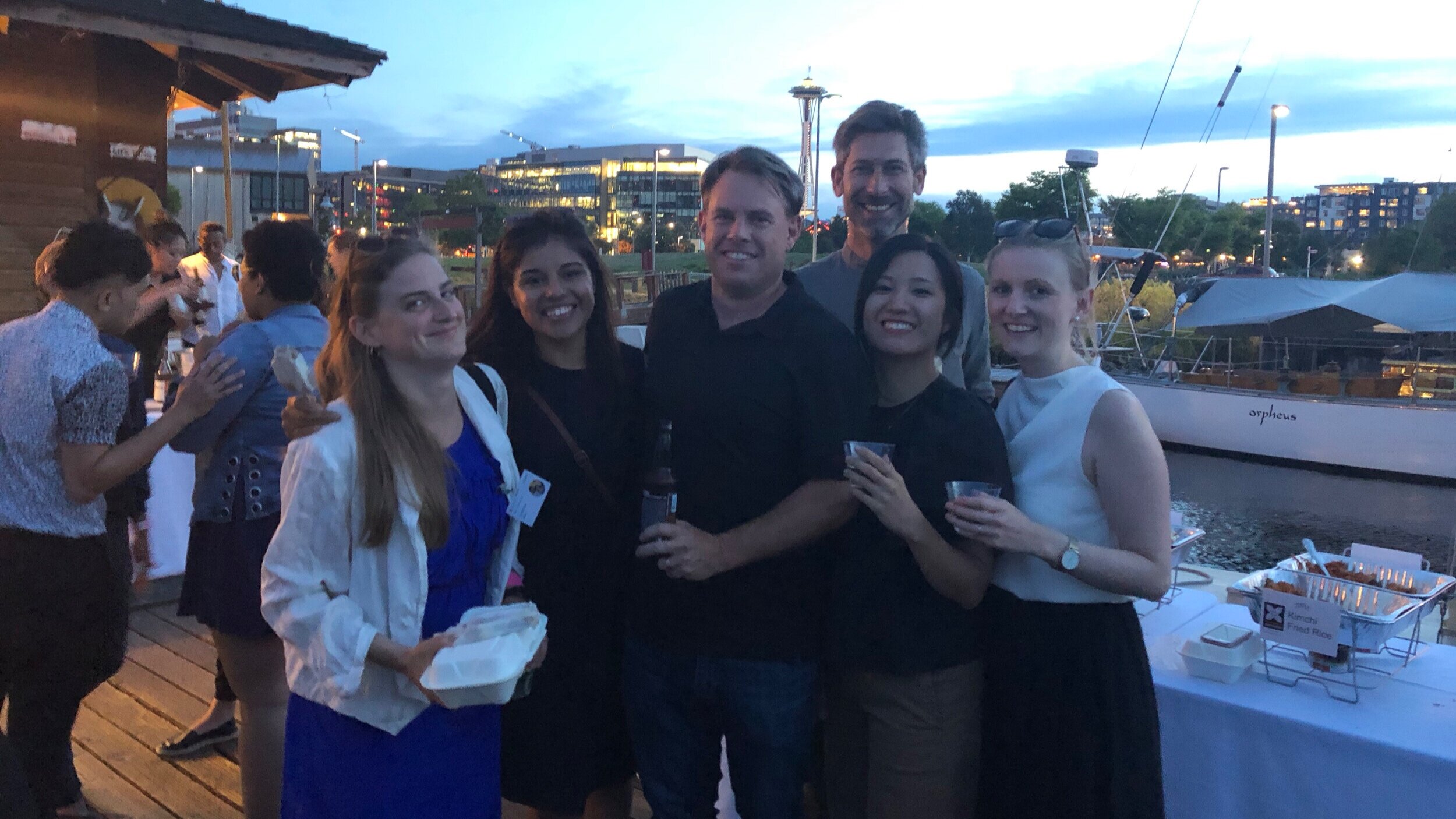
Invited to Participate, Present and Exhibit our Project “Aura” at the Microsoft Design Expo 2019


How can we create a sustainable and feasible mobility solution, that supports a balanced and fair rural development and is scalable to other regions?
The challenge
The challenge was to find a sustainable and feasible mobility solution for visitors and locals in a sparsely populated Biosphere Reserve, along Road 363 and the Vindeln River Valley. The resulting design proposals should not just solve the mobility challenge as such, but provoke a behavioural change towards a convivial society and create a balanced and fair rural development.
Our vision
Our vision was to create an ecosystem that facilitates engagement opportunities for visitors and residents by raising awareness of the presence of people, local businesses and nature along Route 363 through ambiguity and change of speed, by scaling empathy.
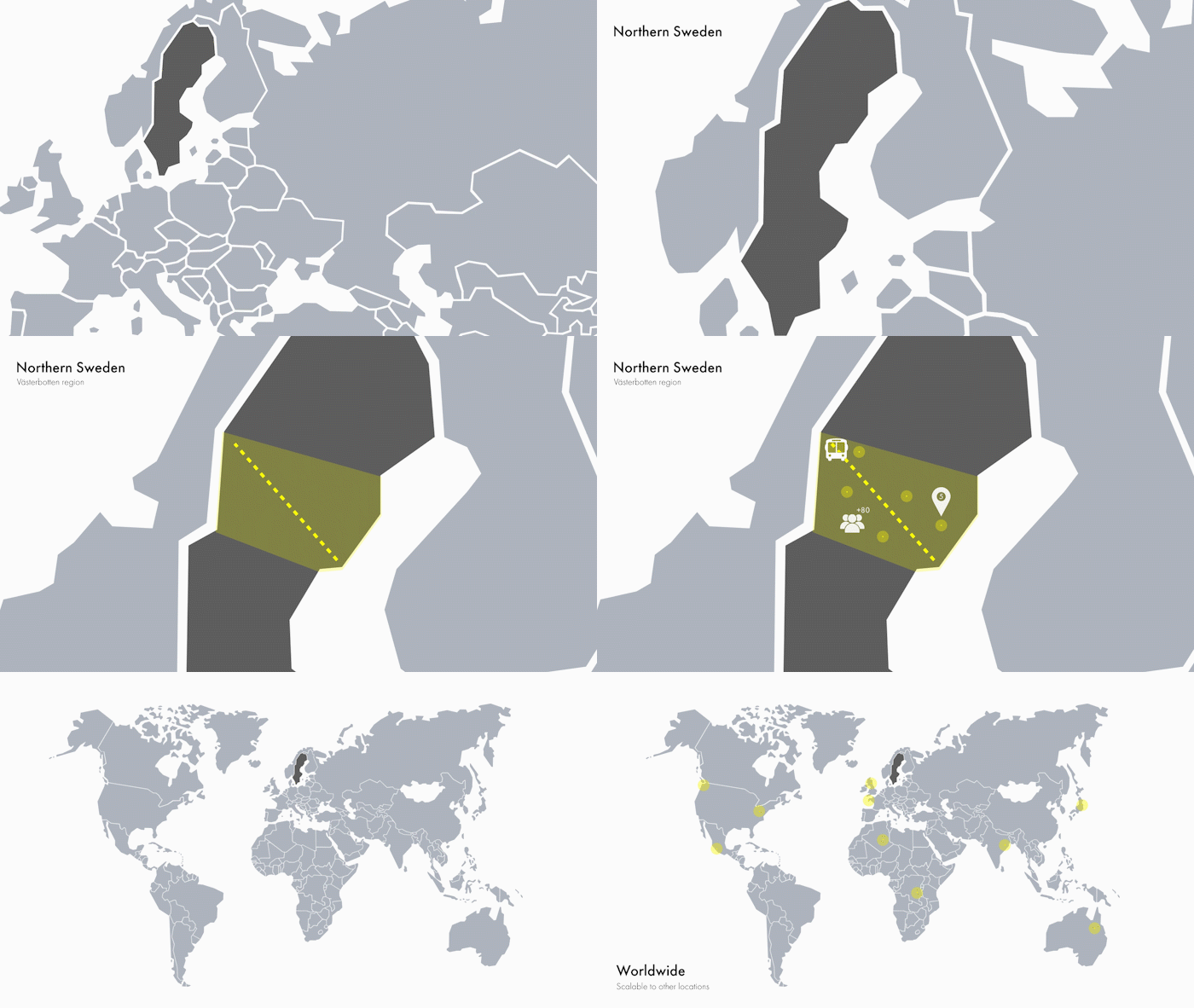
Where it takes place
Problems of the region
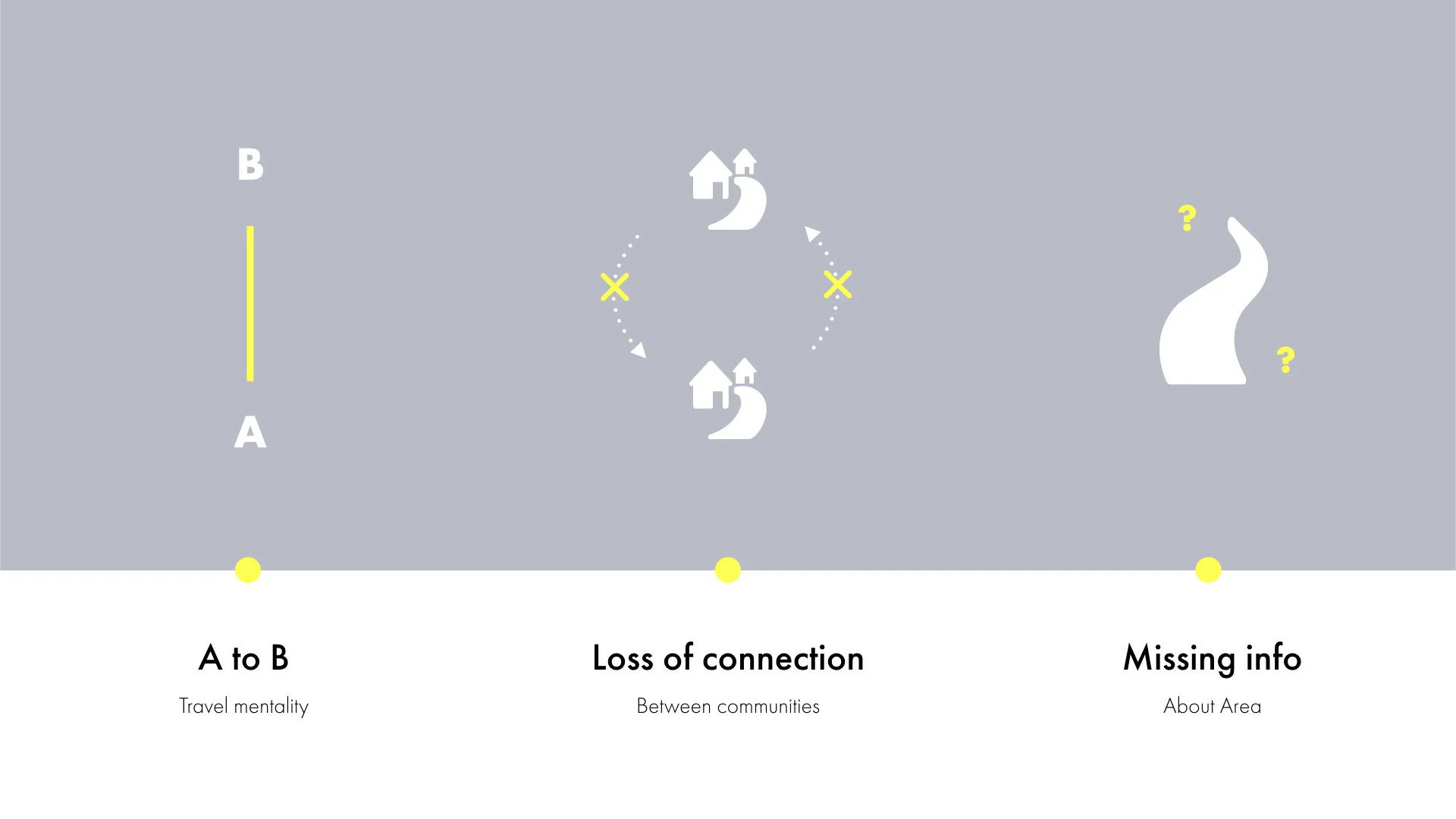
How could we support a fair and collaborative development for the region…?
Empathy at scale
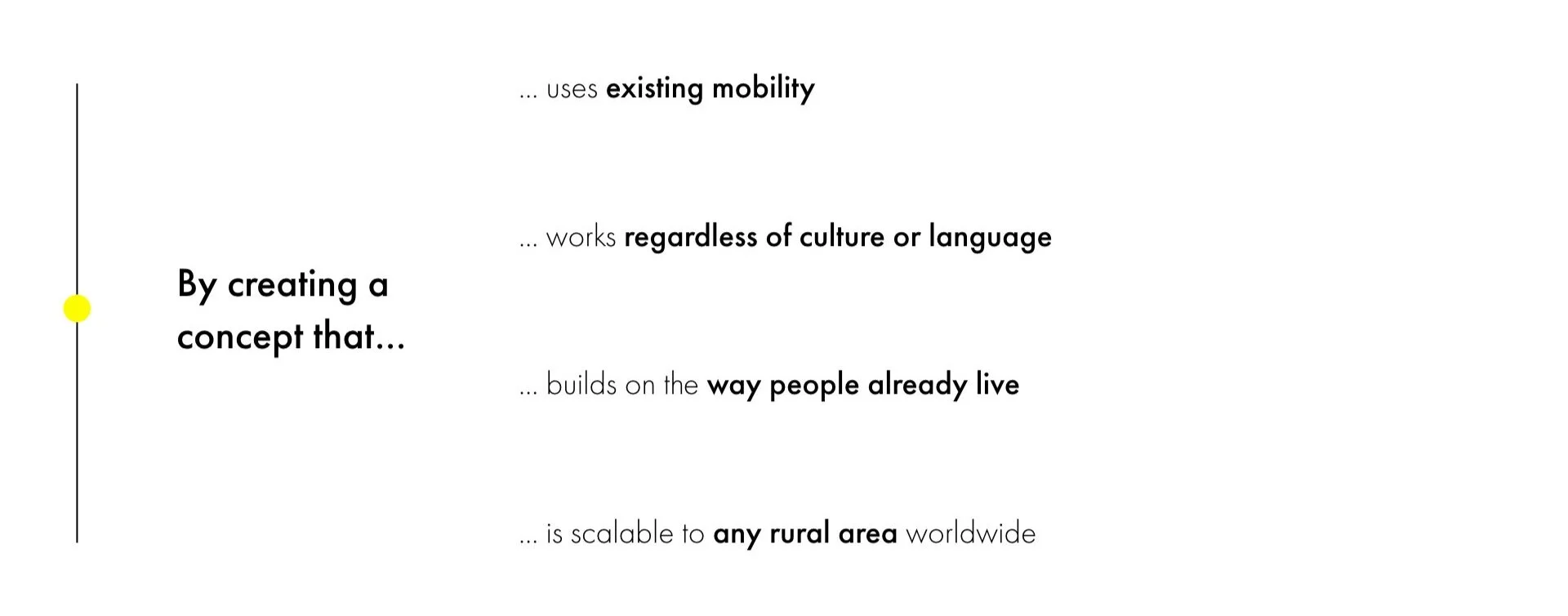
Get a feeling for the area
Aura - A mobility experience

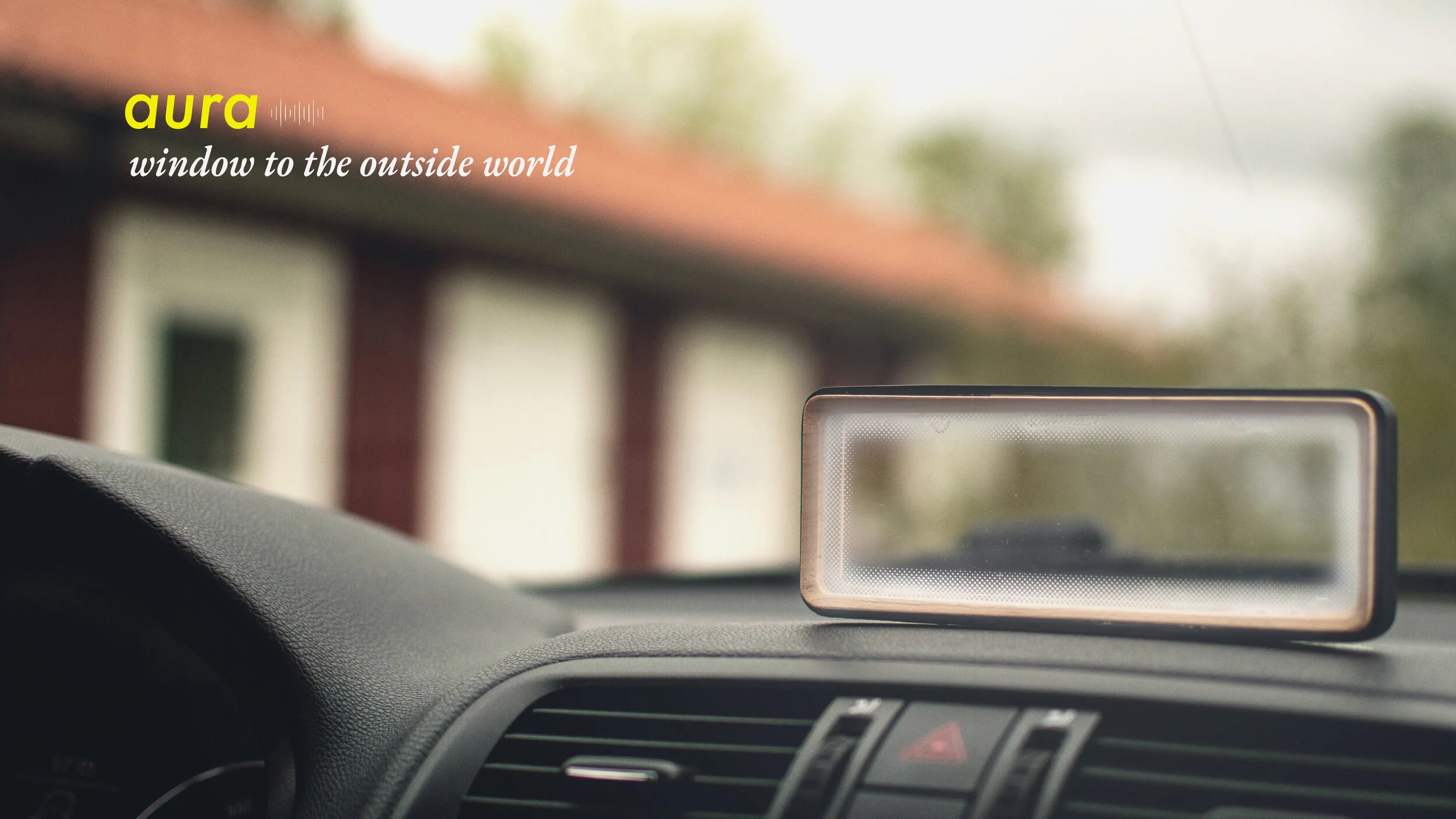
Two components

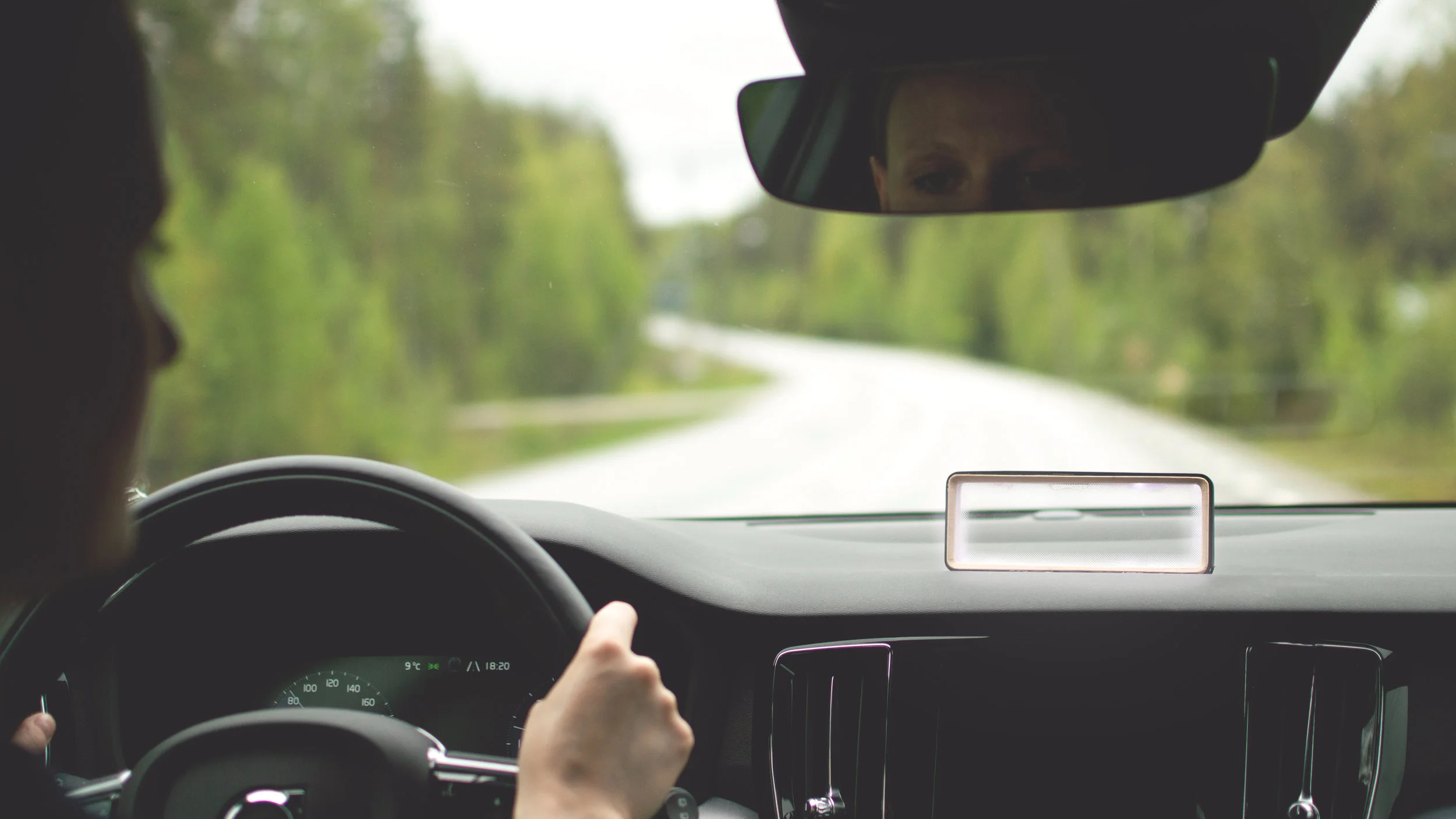
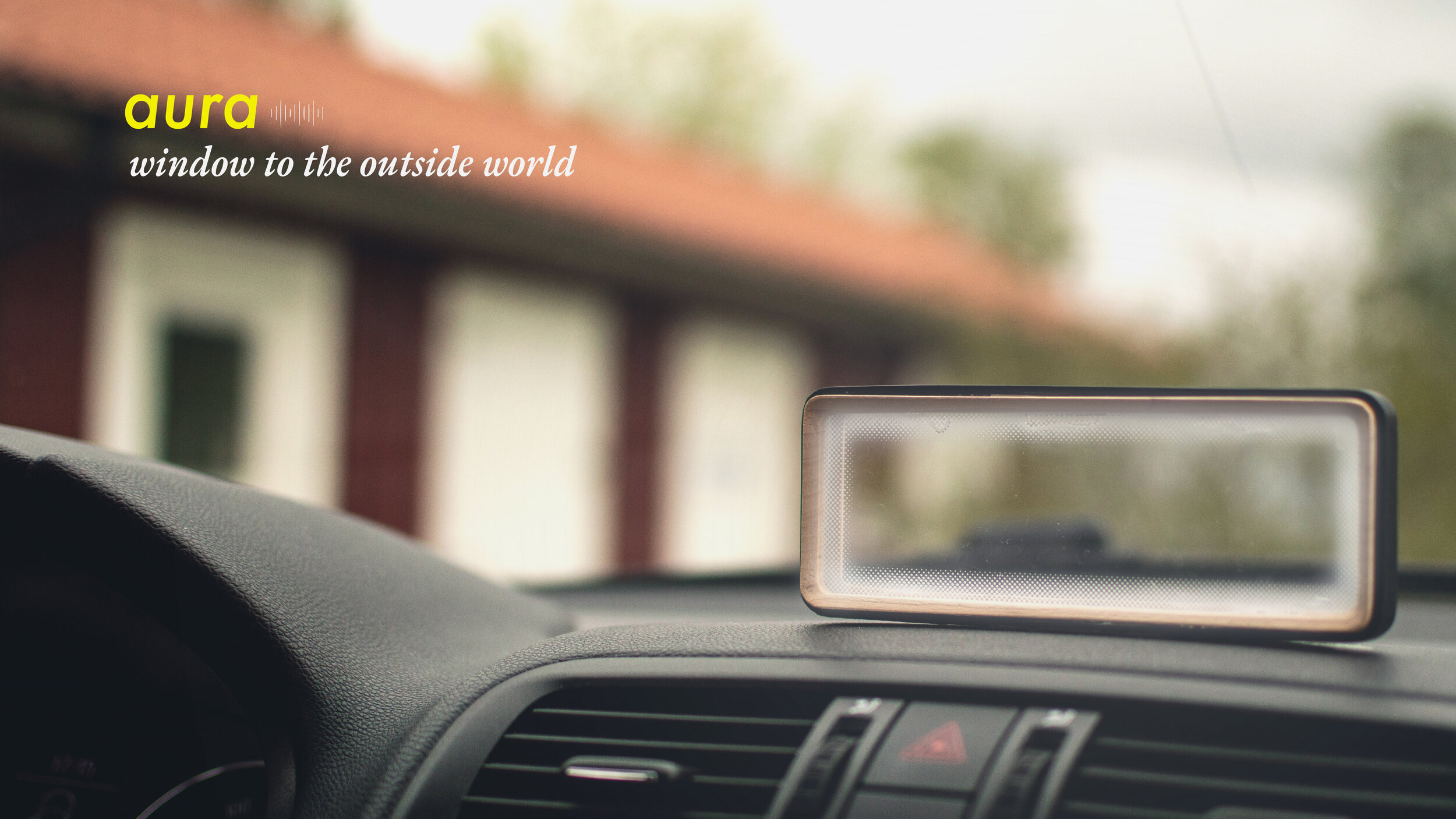
Aura consists of two components: A digital platform, that works as a manager and a device, placed in a vehicle that generates ambiguous triggers.
How aura works

Everything takes places along the road. Anyone such as private people or the community can feed the platform with information they want to share. This information will be sorted and placed by location. The device will display it as soon as the user gets into that specific range. Finally if the user chooses to interact further, aura will facilitate engagements.
Playing with opposite tensions
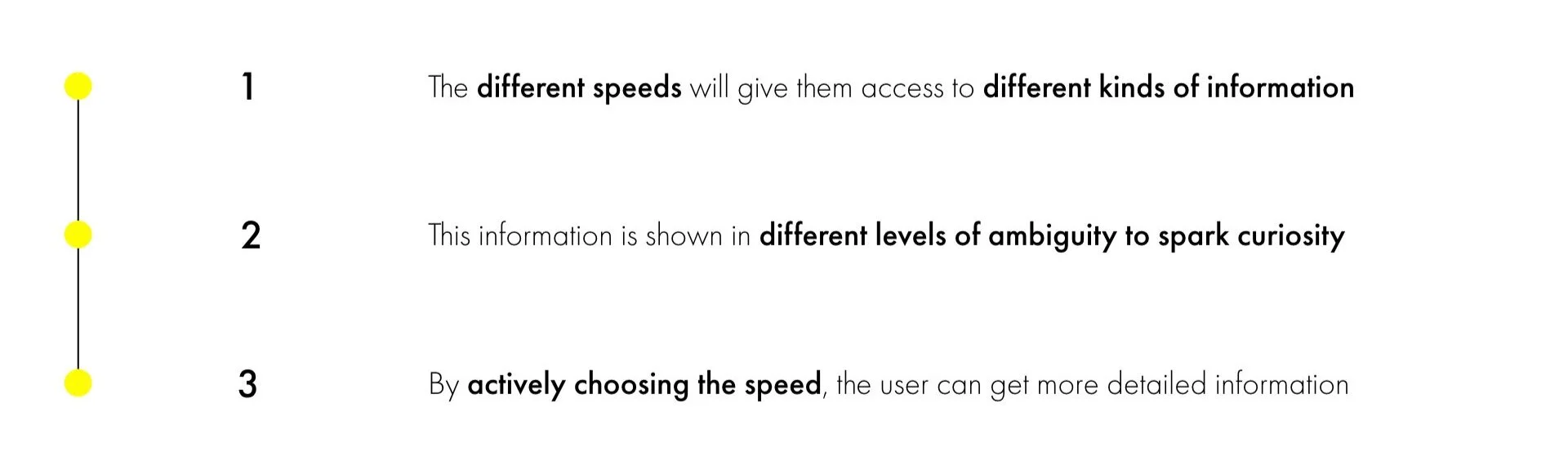
Aura triggers the driver to lower their speed and interact in form of visuals and sounds that are ambiguous to spark their curiosity on what surrounds them. Playful sounds are used to draw people in and make them guess what they are hearing at that very moment. The aim is to make people aware of what is out there and help them feel more connected to the environment they are moving through, through sounds and visuals.
A fluid eco system for people with different needs

Aura is a system that can encourage engagement for different people, with different needs, agendas and motives. Aura wants to embrace the diversity of people moving and living along the road by catering for different people who move at different paces without forcing a great behavioural change.
It caters to those who have time, want to explore and are willing to change pace, slow down and discover what is around them. But it also caters for those driving from A to B because they are running errands or commute to work.
For people who want to explore…
Aura allows someone who is a short term visitor on holiday to discover hidden gems, have chance encounters with nature or with people that they would have otherwise never met. Watch Oscar and Wilma’s experience of using Aura to find out about different experiences along the road.
What would you notice if you slowed down…
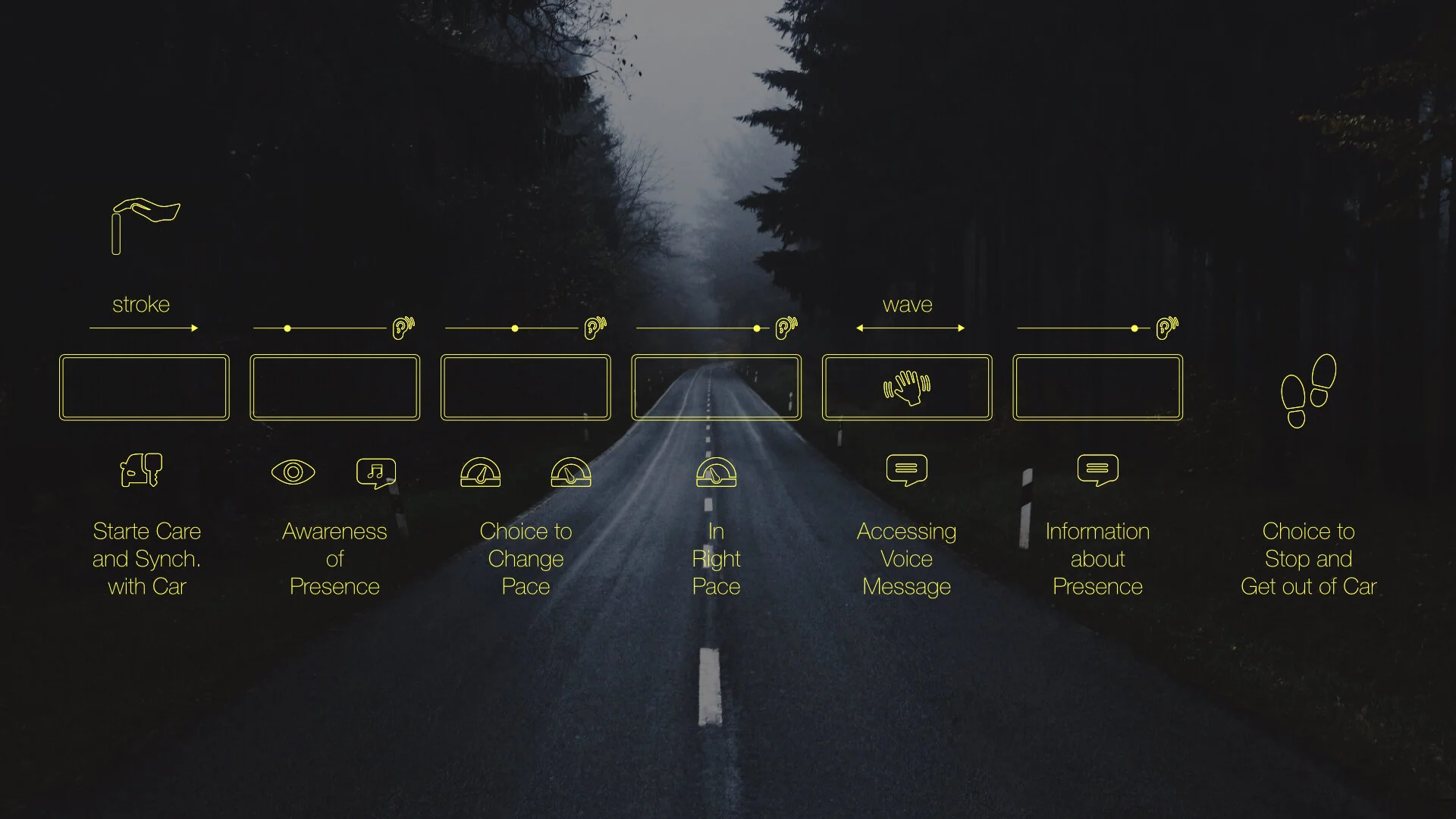
Aura catches their attention to spark curiosity through a blinking light and a subtle, ambiguous sound to create awareness of the presence in the area they are driving through. As soon as they choose to slow down, an ambiguous sound increases until they have reached the right speed and the light becomes static. Now they can choose to access to the information and listen to more information about the presence in the form of a voice message.
…and those who want to share something
Collaboration through sharing
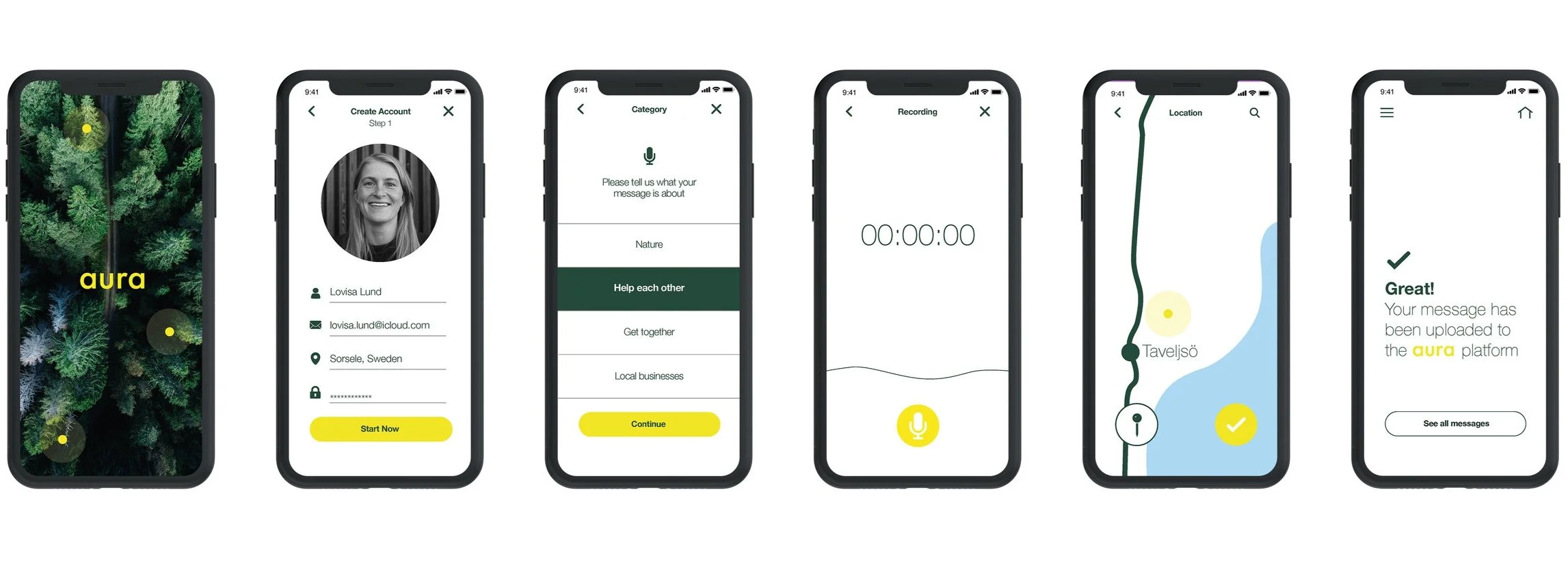
…and for those who commute along the road every day
Aura can also be used as a new way of creating and reinforcing connections between other visitors and locals or simply create better engagement opportunities between people who live in the area and drive along that route multiple times per week.
Watch how Aura inspires Herin to extend her self-interest, to the interest of others and have an encounter on her journey by helping out Lovisa on the road.
In this video, you can see how Herin was driving at a higher speed along the road. However, she was still able to access messages that suit the speed that she is travelling at.
Aura has allowed Herin and Rolf to make a new connection with each they would have missed otherwise, while doing something practical for someone else in the community.
In a nutshell
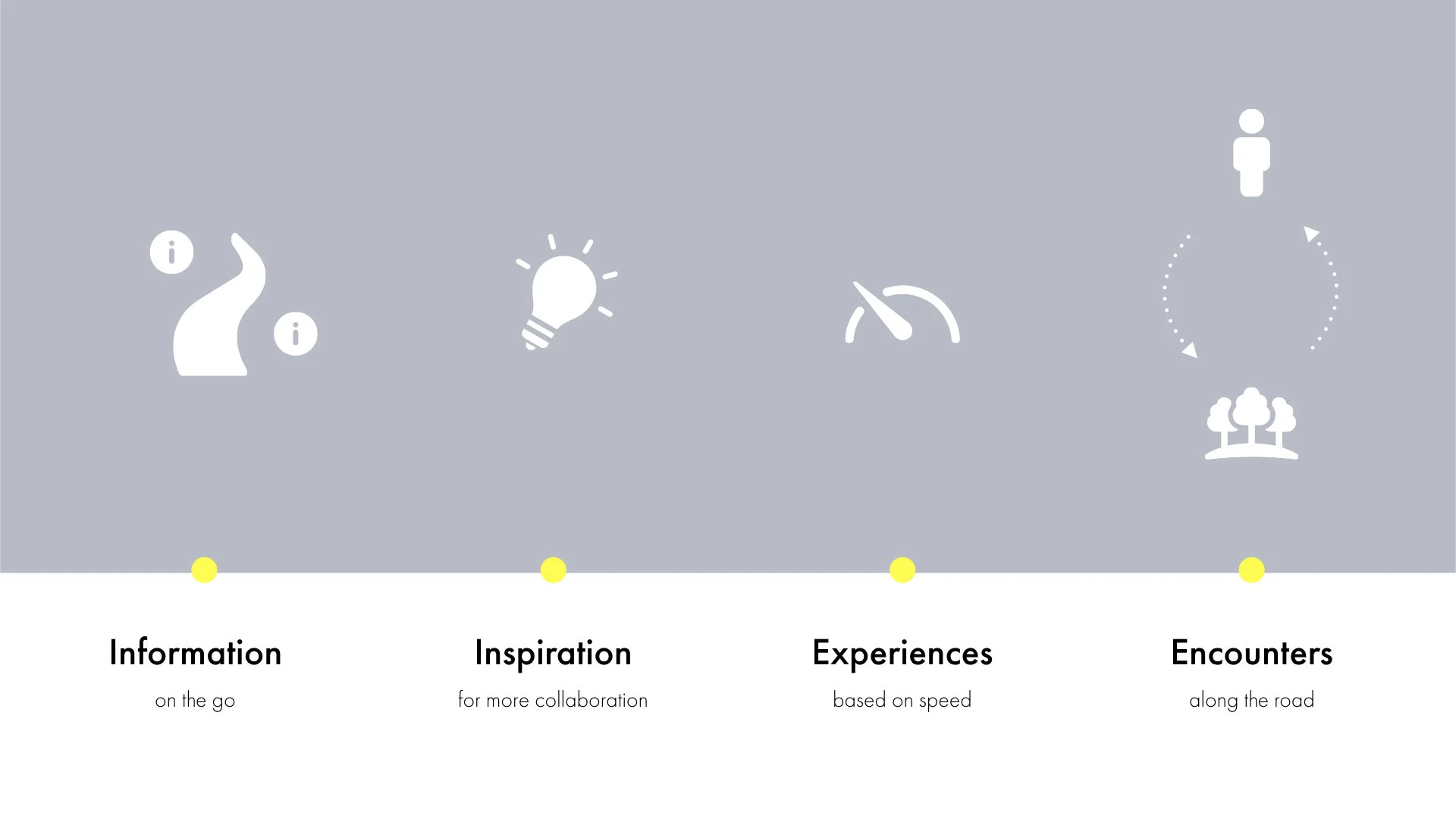
Sustainability, empathy and collaboration

And now imagine…
…aura brings even more people together in the future.
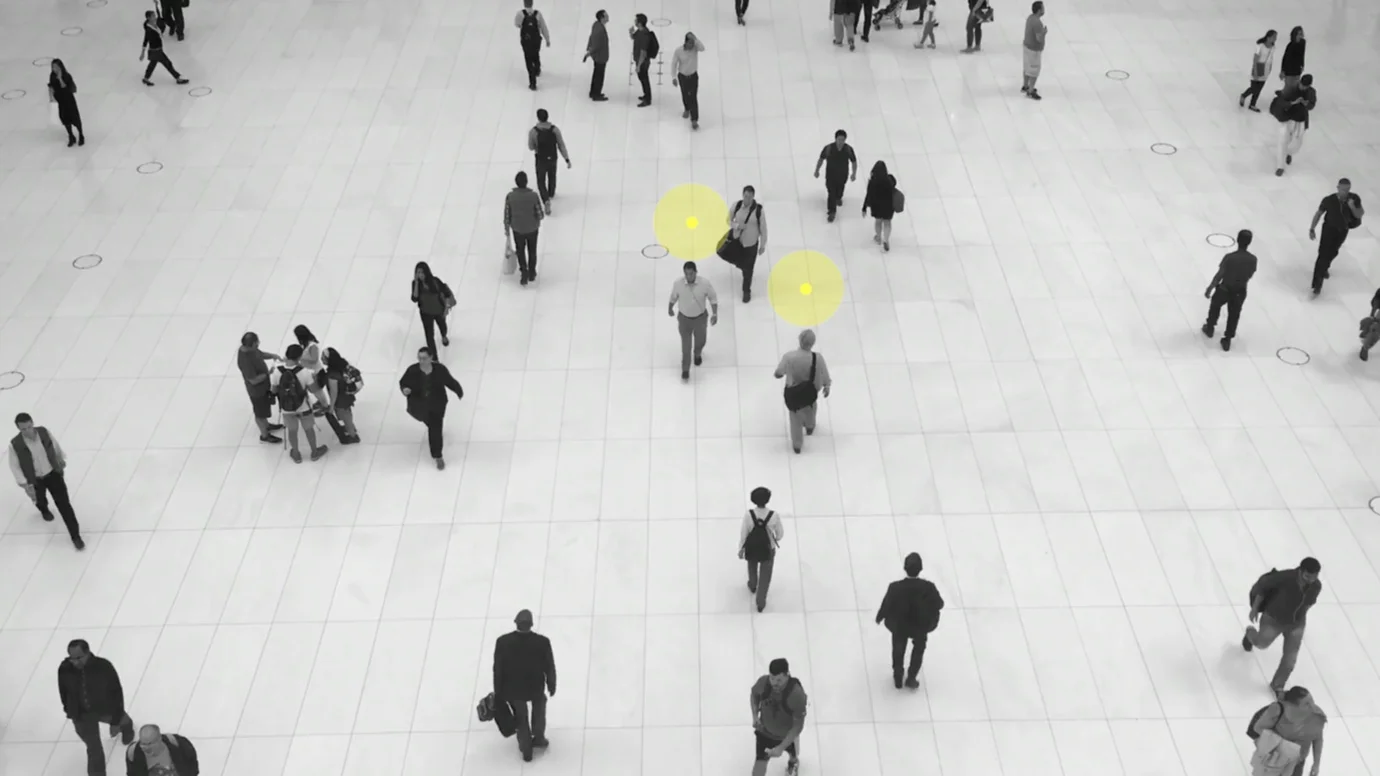
…aura is implemented in already existing technology
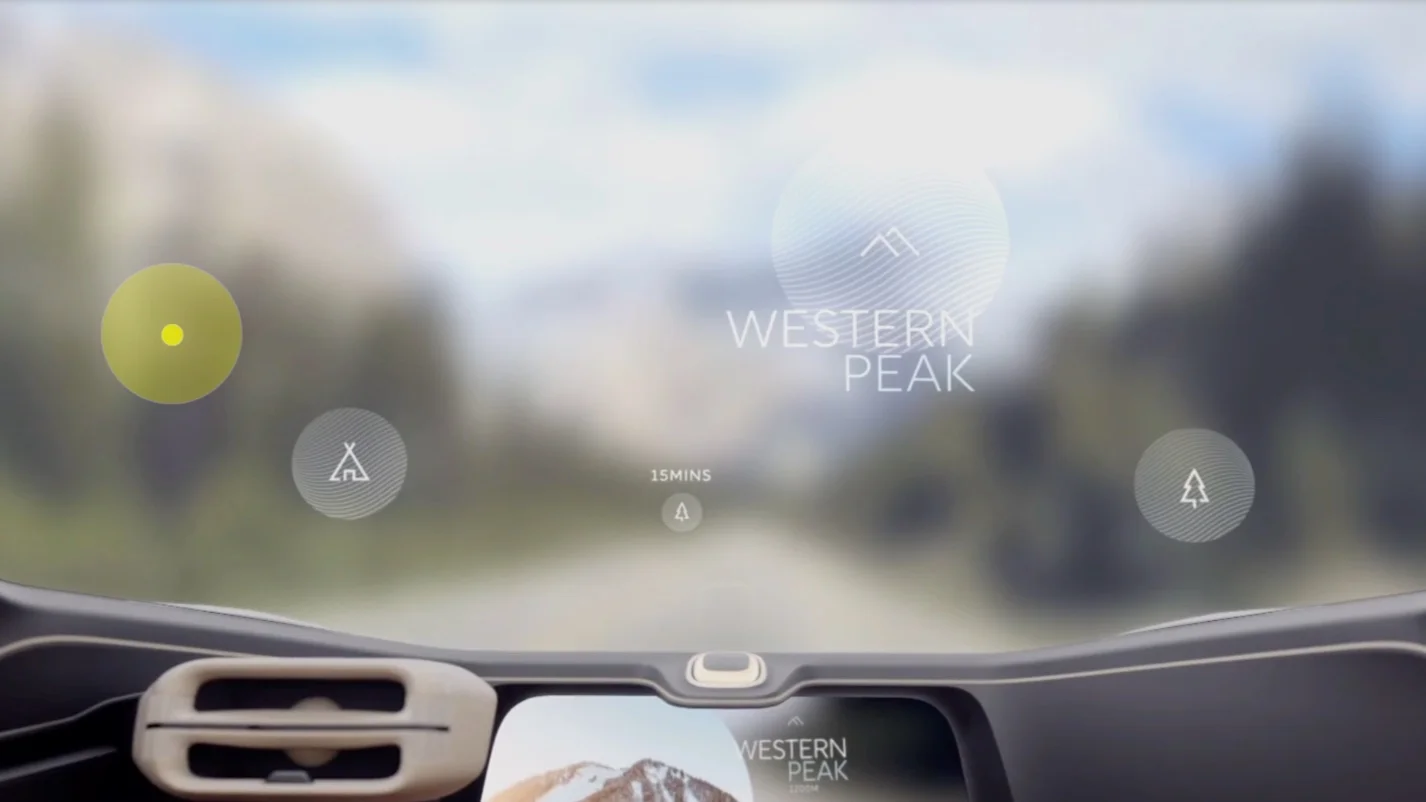
…aura guides you during other modes of transport
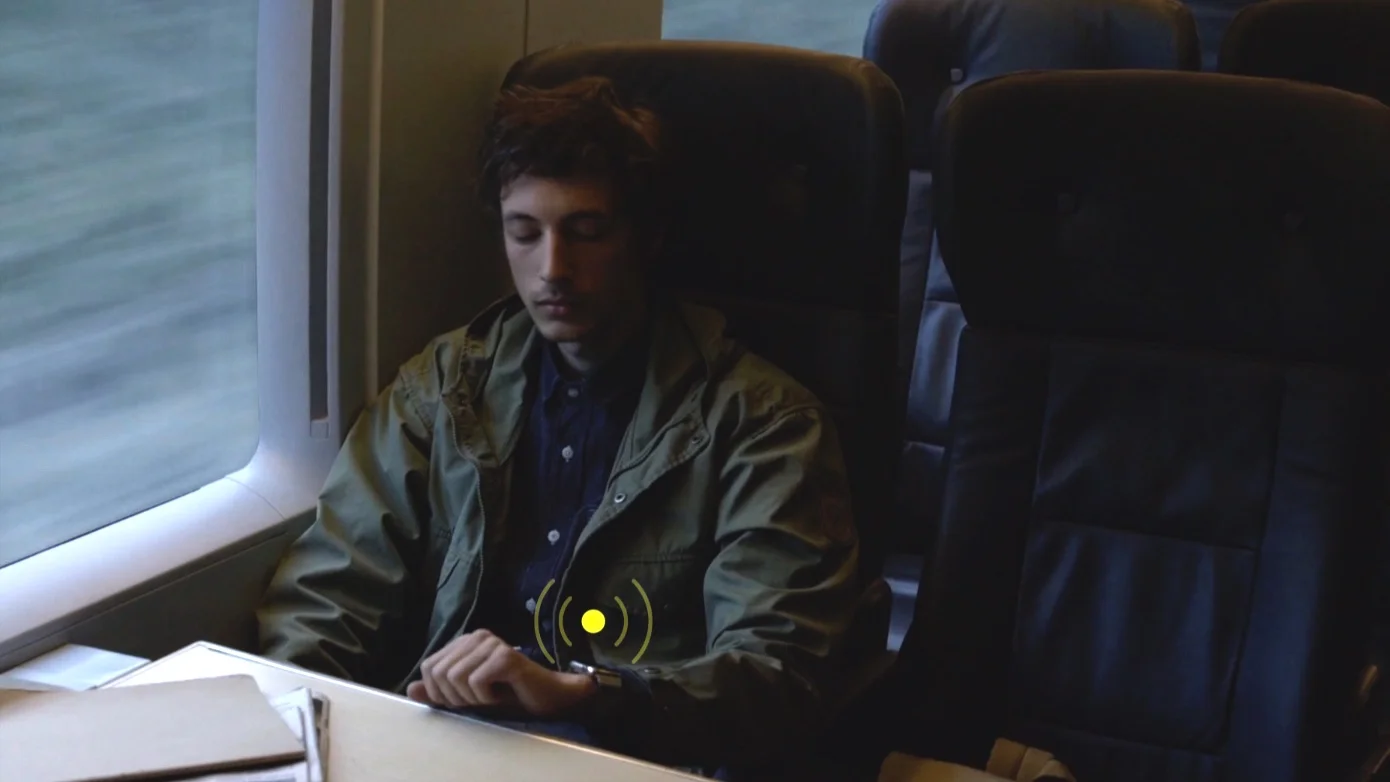
How did we get there…
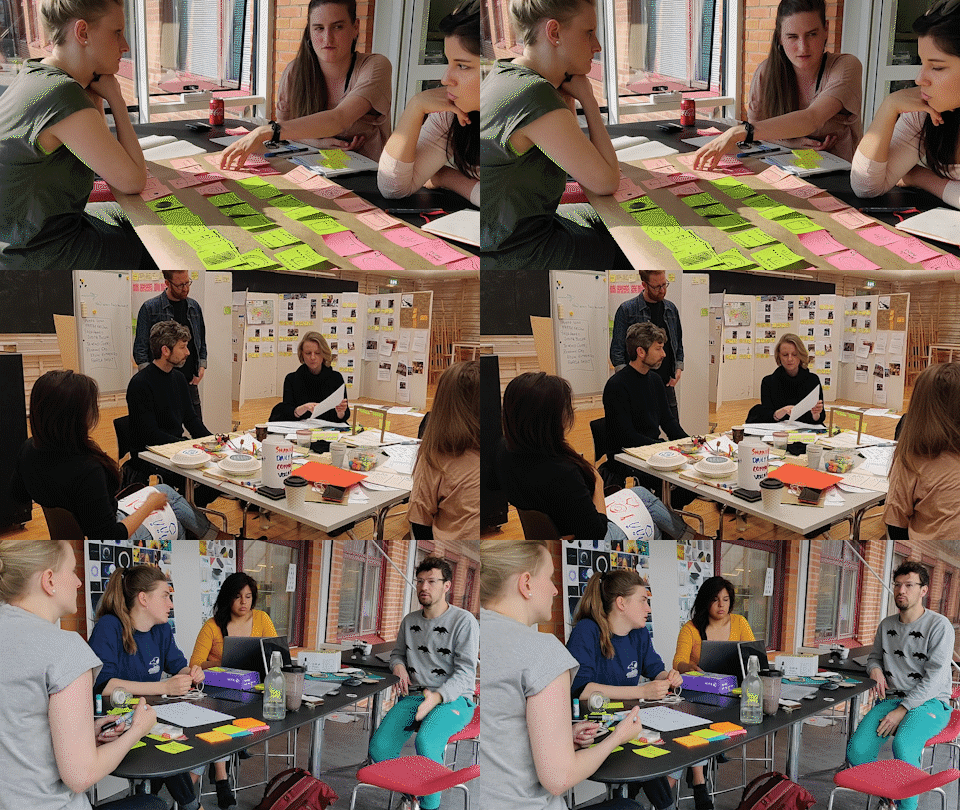
To get to the solution, we used different methodologies driven by a human centred design approach, such as co-creational workshops, iterative ideation, prototyping as well as user-testing.
We travelled to the region
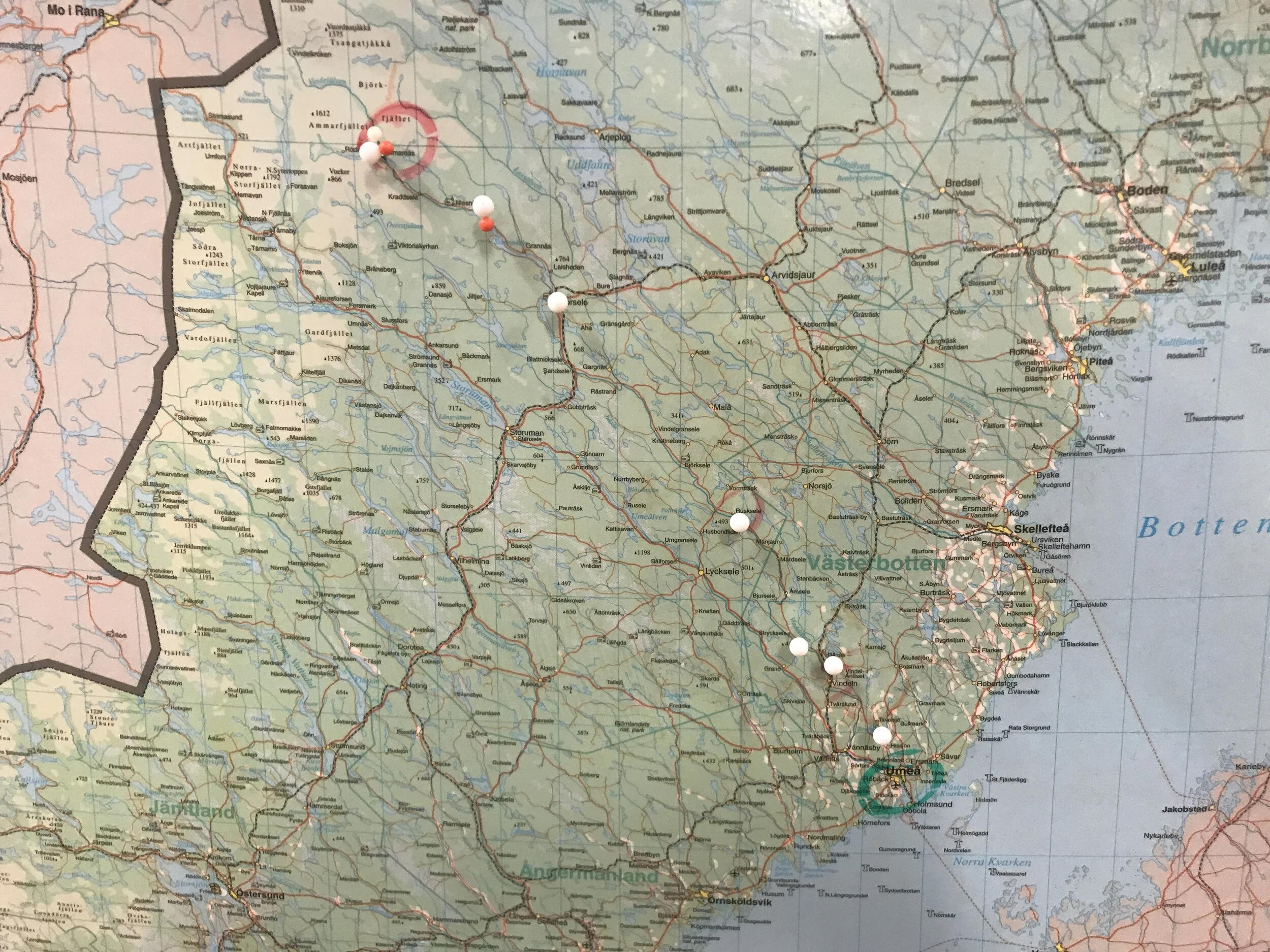
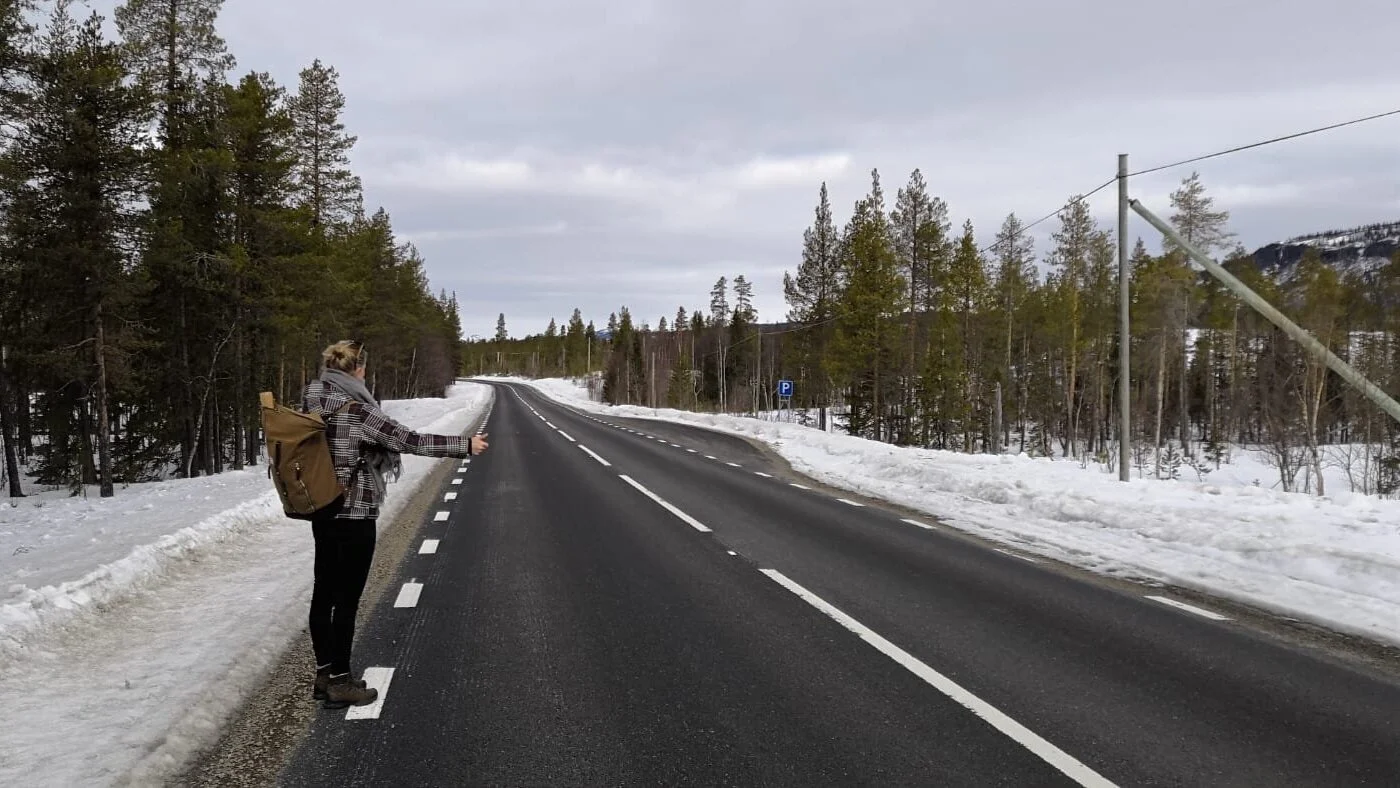
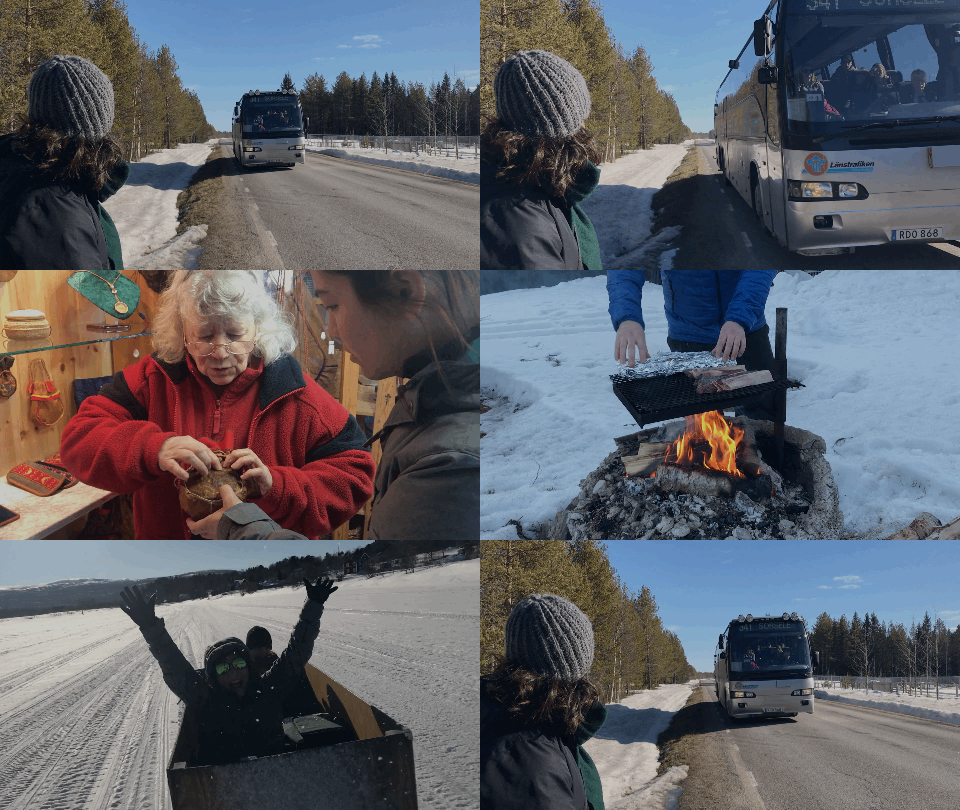
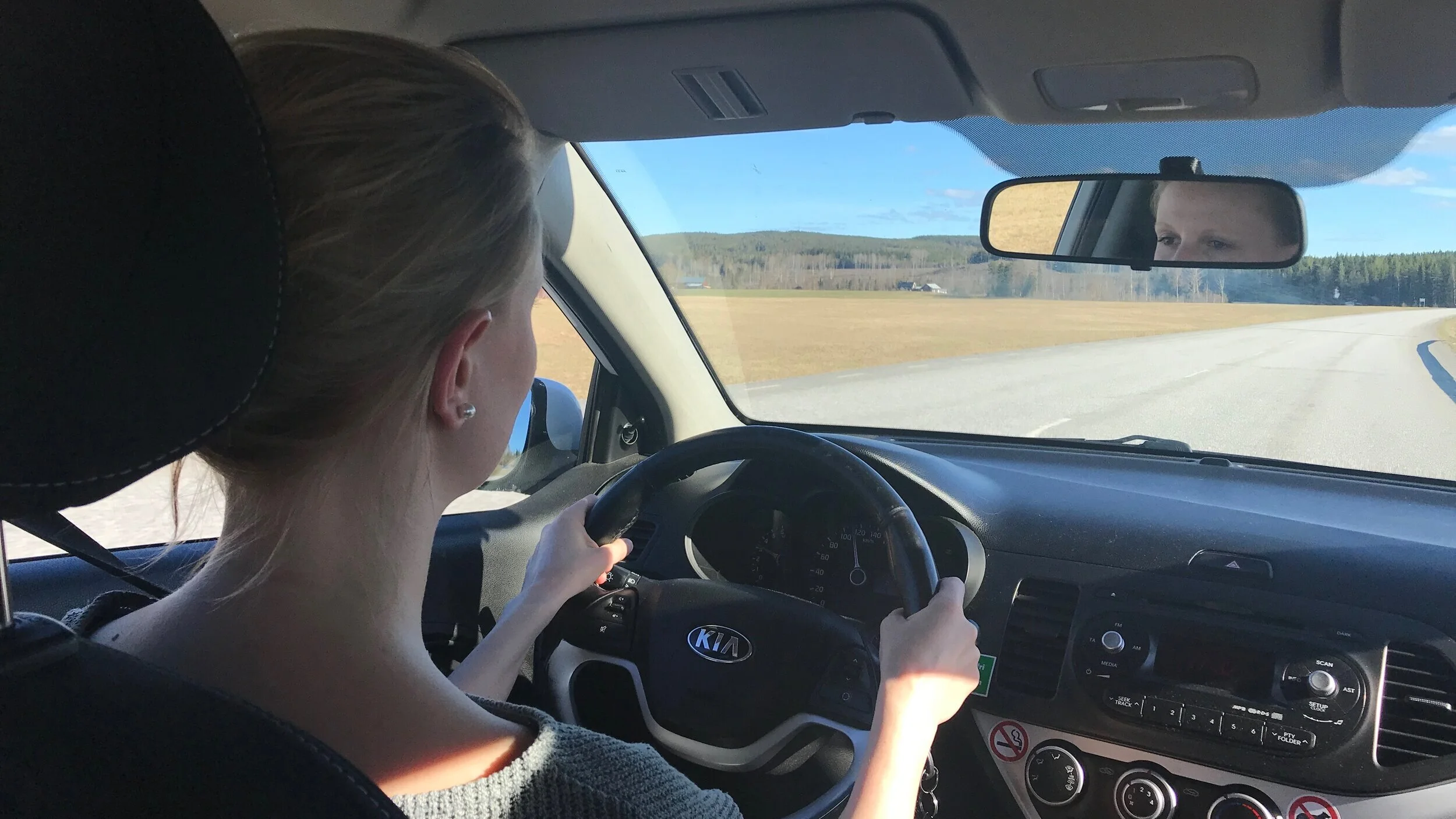
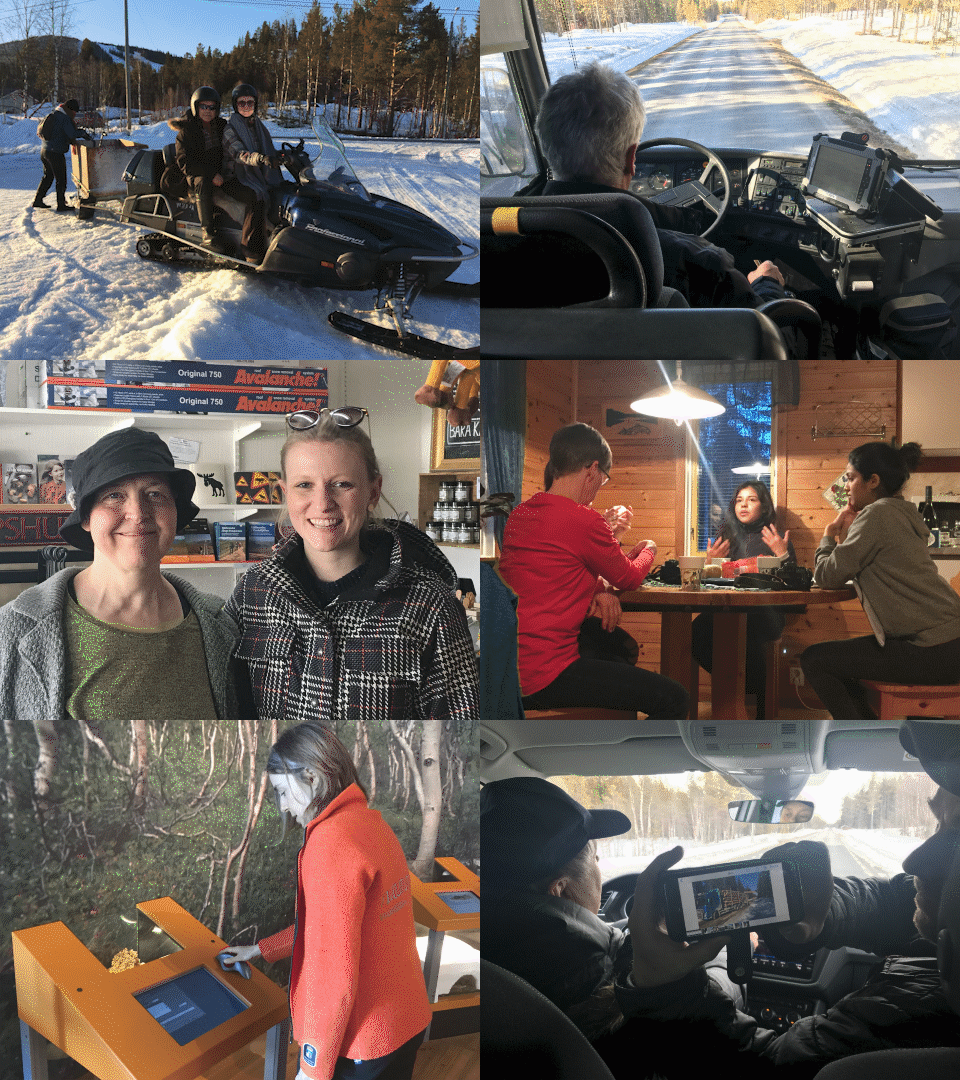
1 road, 5 towns, 80+ people, different means of transport
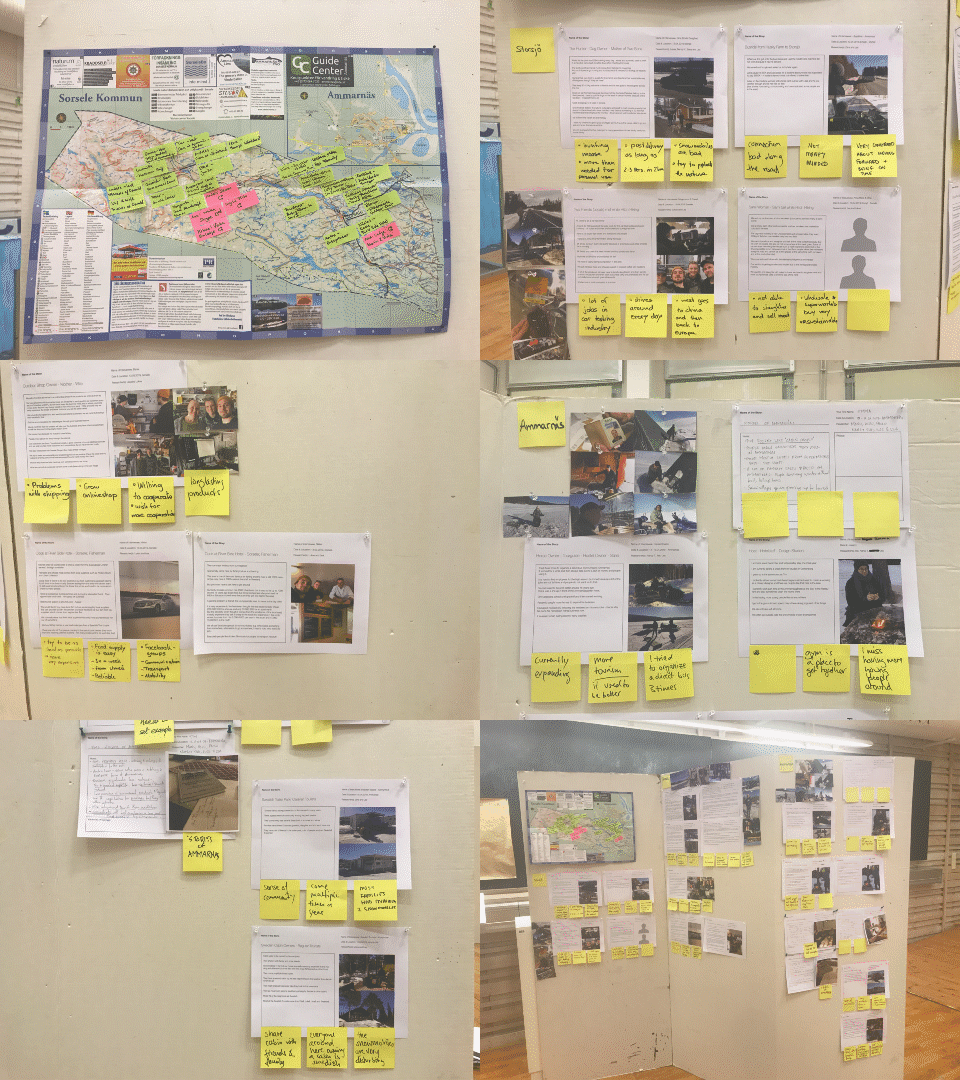
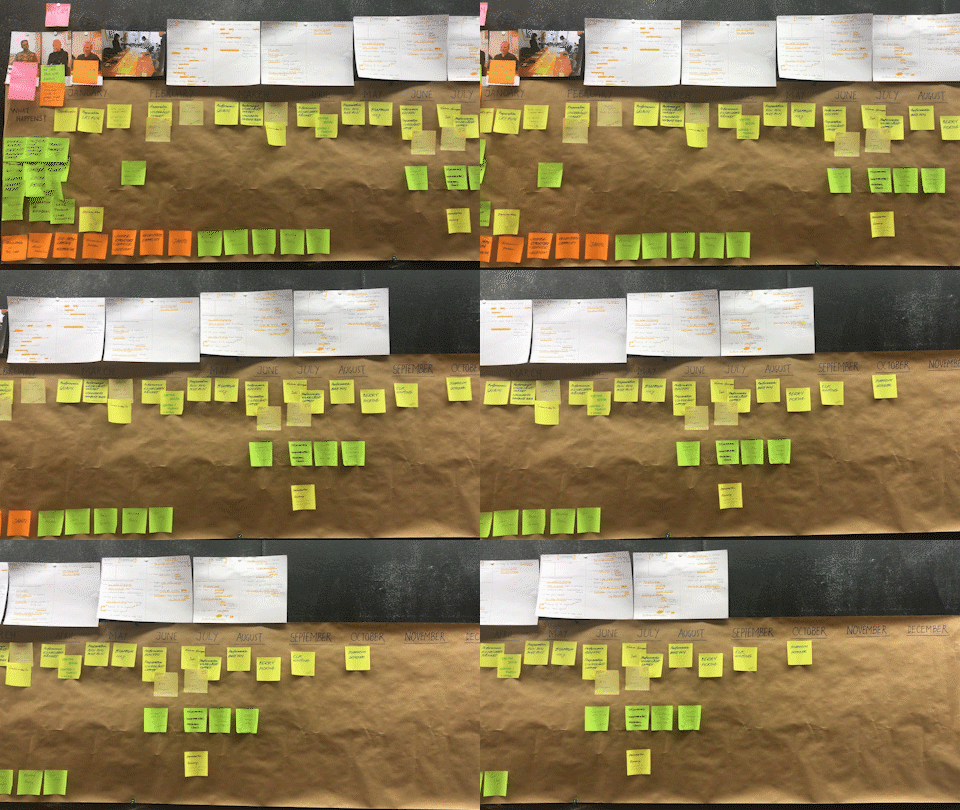
Evaluated the research and looked for patterns
The discovered that the area offers great resources and opportunities - most of them are hidden treasures in the nature. The communities are full of warm hearted and open minded people, that love to share their knowledge. Sadly there is a loss of connection between the communities. To try and create better logistics they already try to collaborate through for example Facebook, which we found were already great existing and working micro organisations
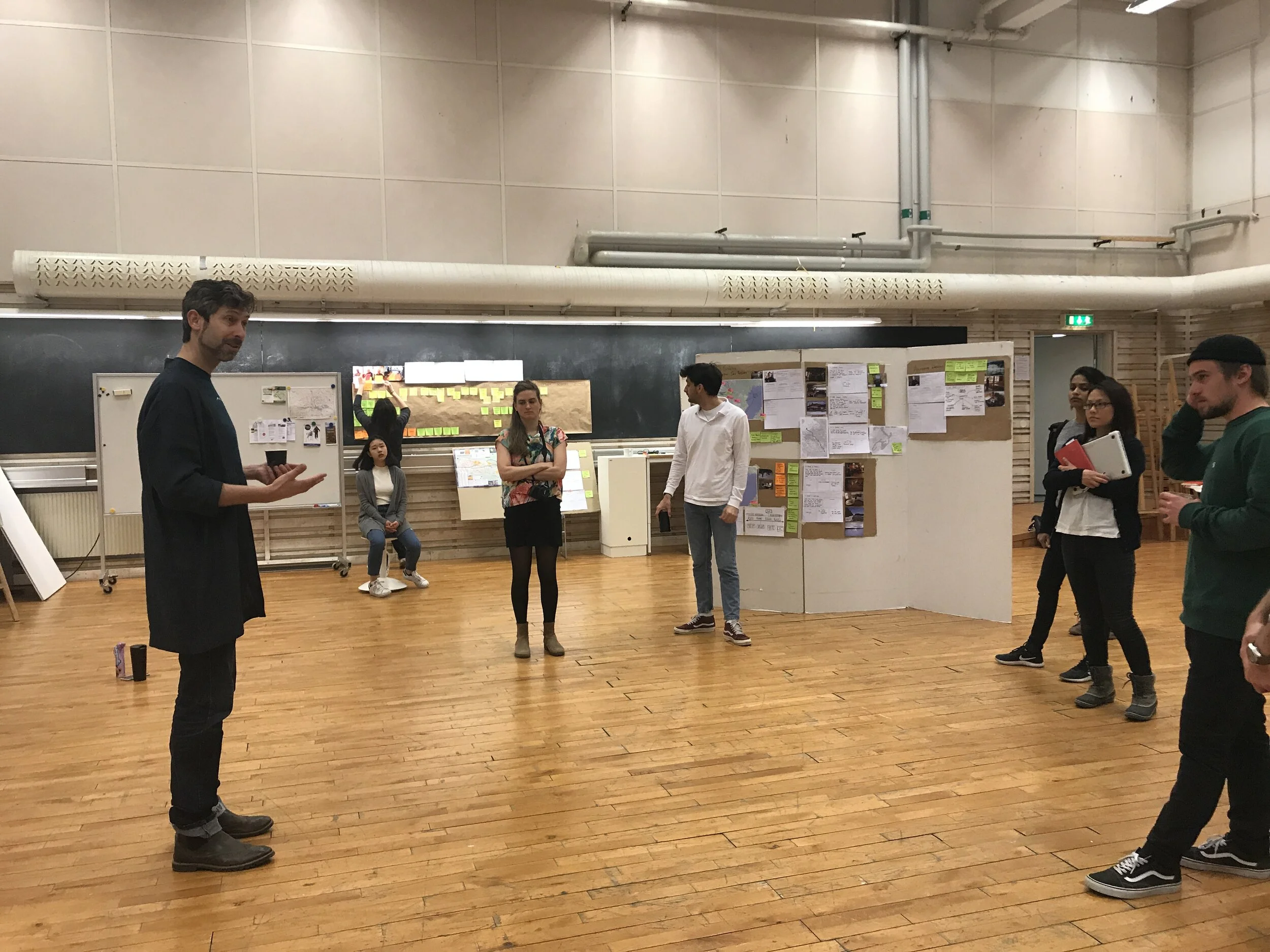
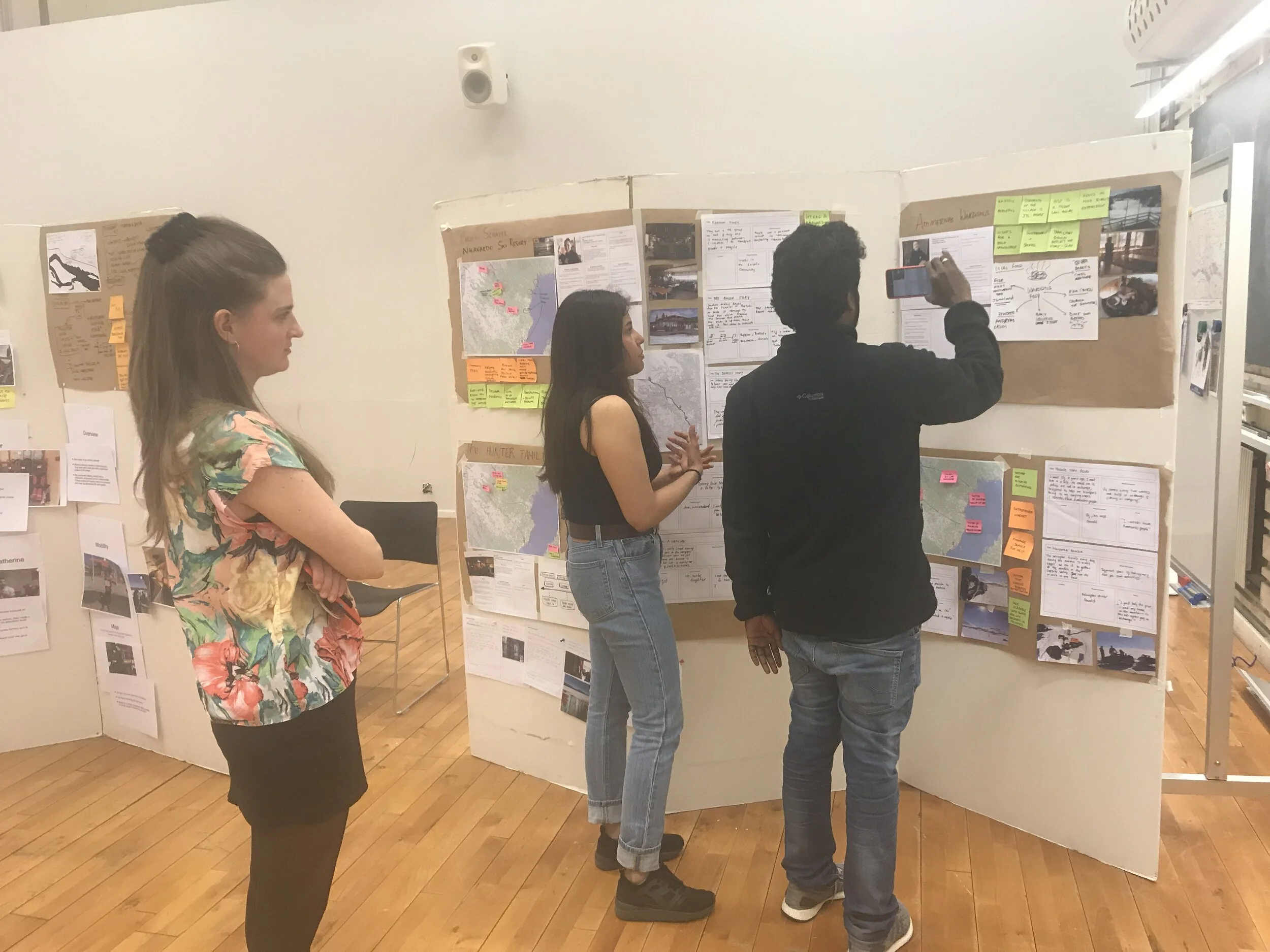
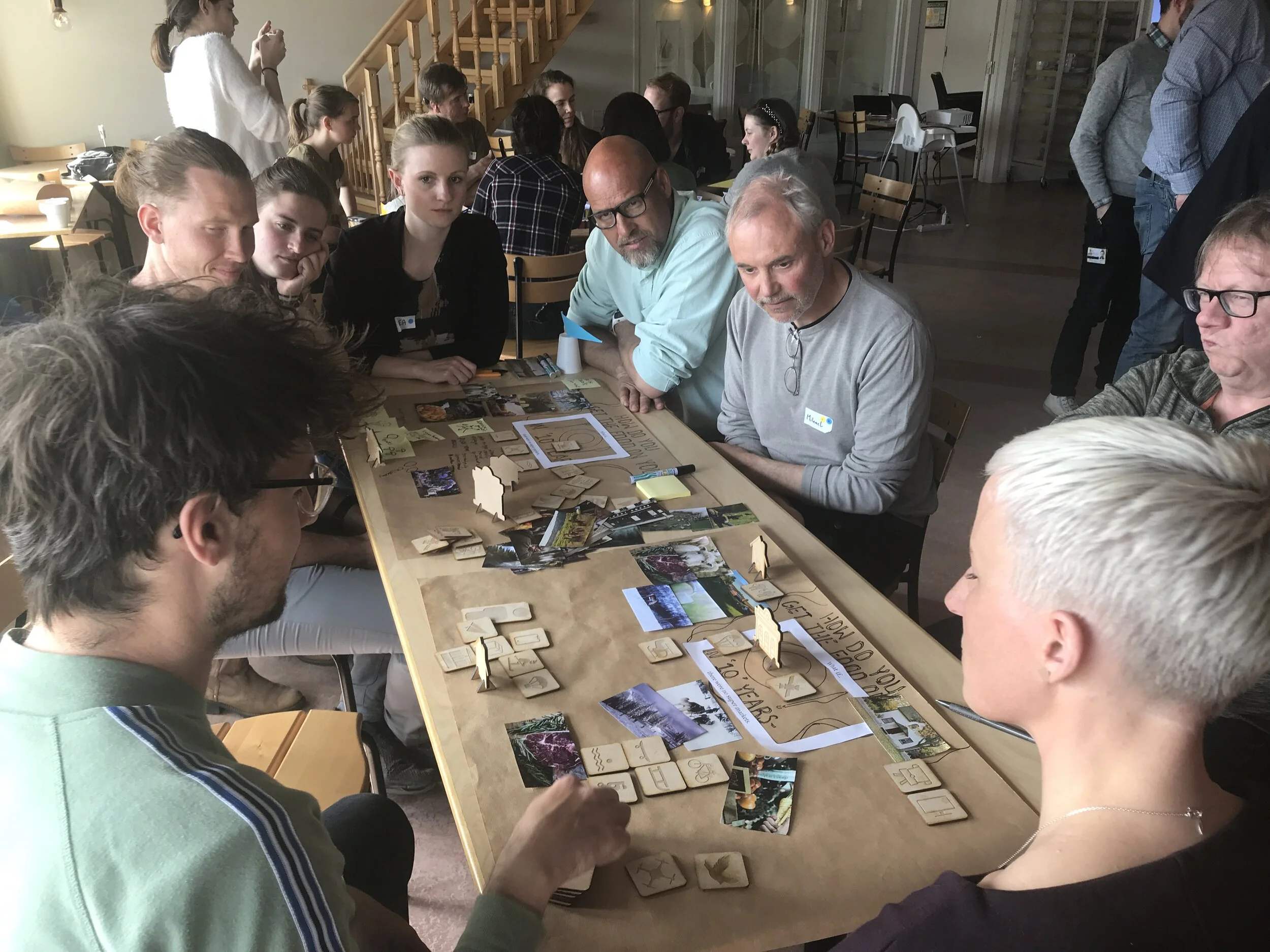
Co-creation workshop with locals, visitors, stakeholders, designer and students
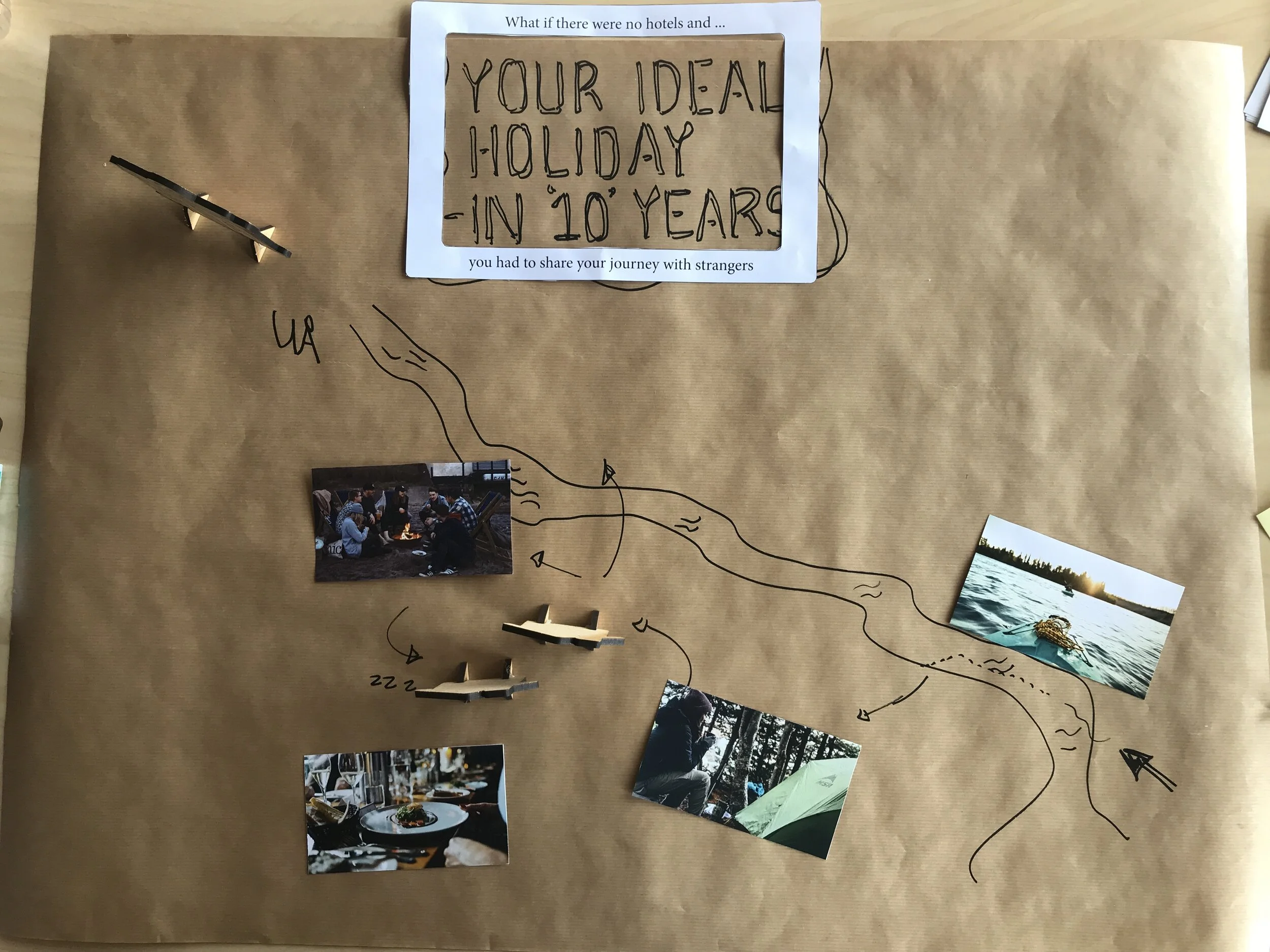
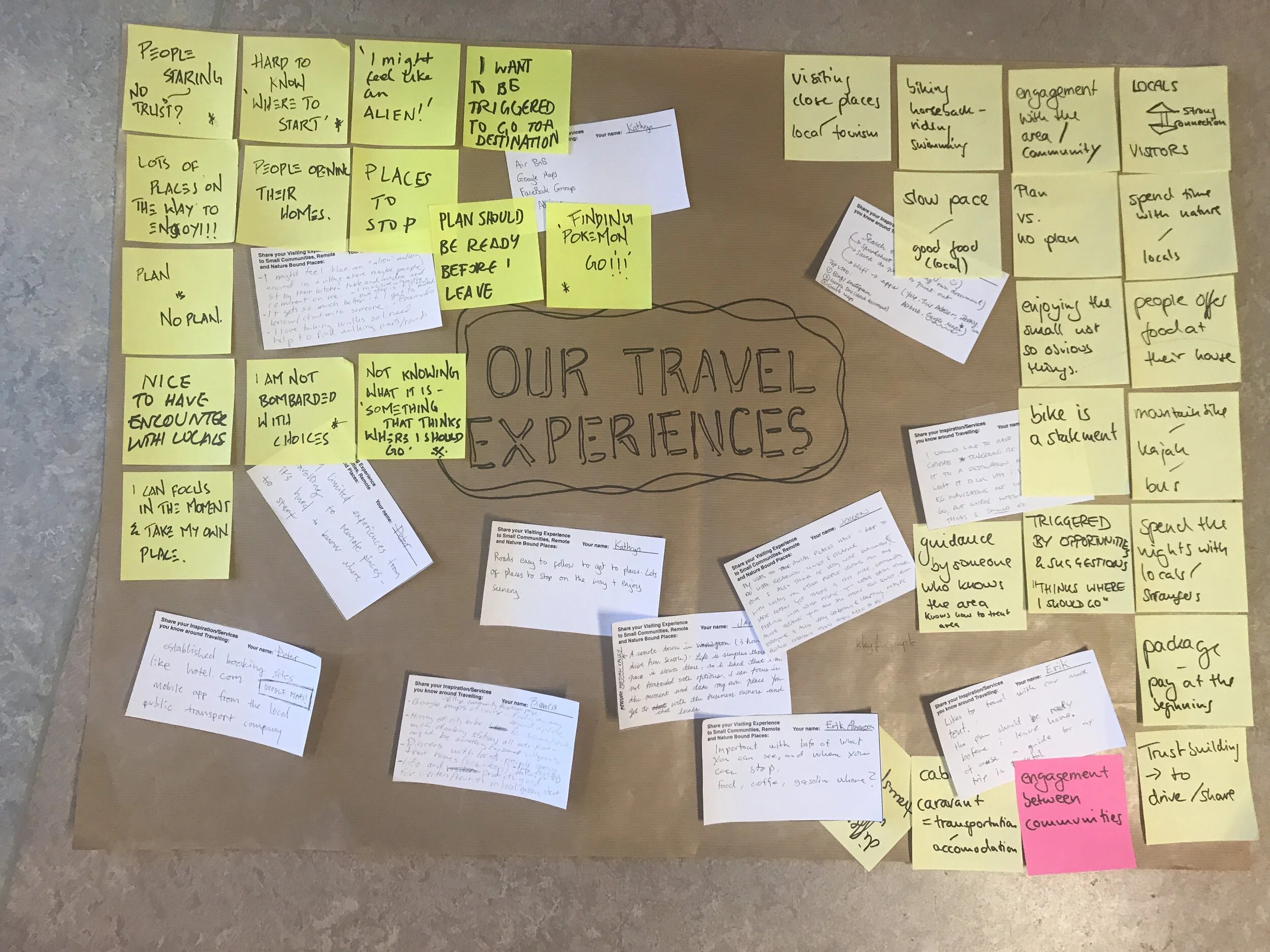
Most of our participants said that if they would visit they would enjoy meeting locals to have a more authentic experience. They also claimed to enjoy spontaneous travels, where they explore things on the go. And finally considering that a lot of our participants have a busy schedule in their everyday life they said they would appreciate a more slow lifestyle during their holidays as a contrast to their busy life at home.
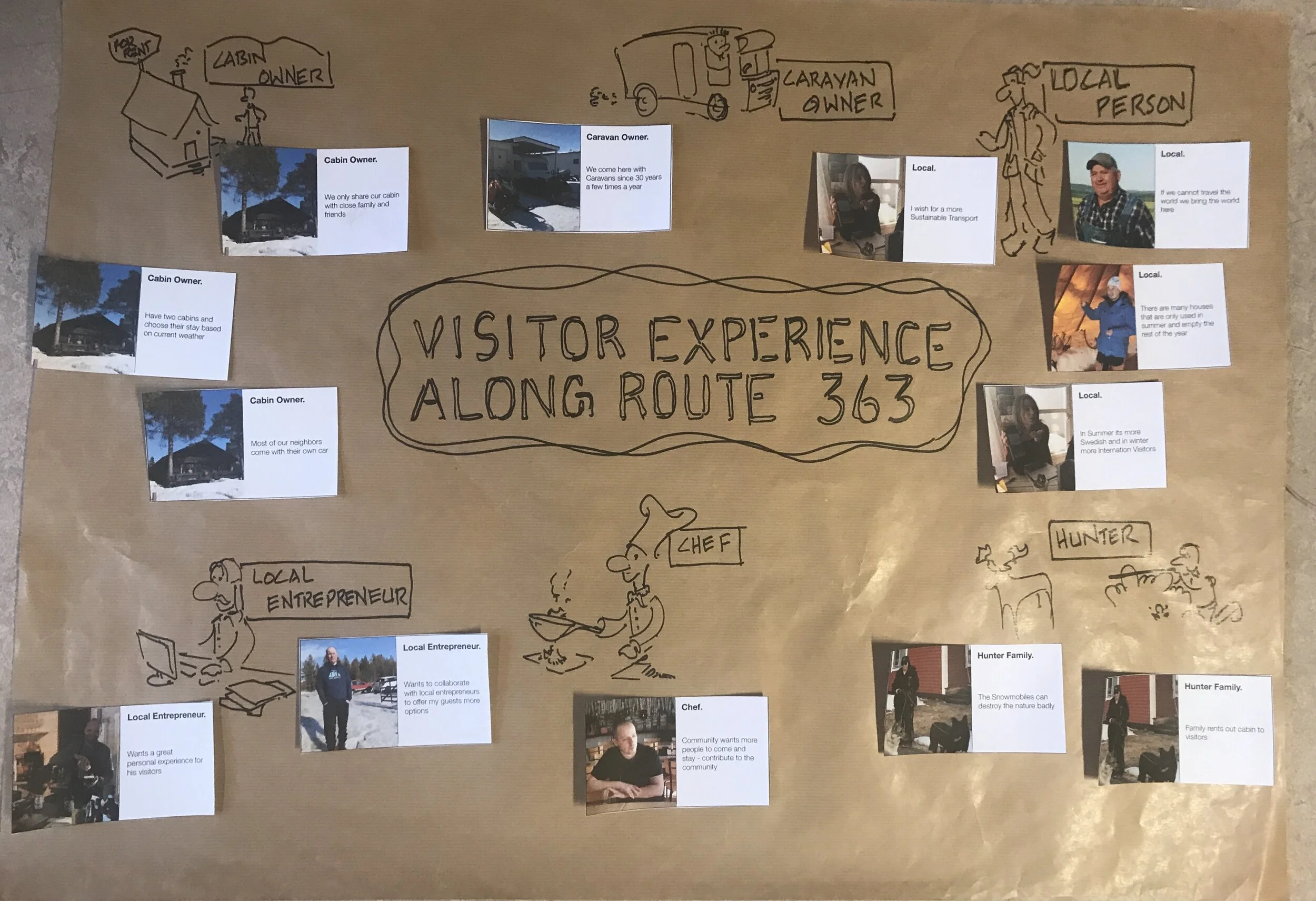
Formulated a brief to have something to always go back to
Why - Missing 'engagement opportunities' due to lack of the awareness of the presence of people and places, loss of connection between communities
What - An eco-system of physical and digital entities to create presence and awareness of opportunities along route 363.
Who - Visitor (long and short-term) and residents
Where - Along the road
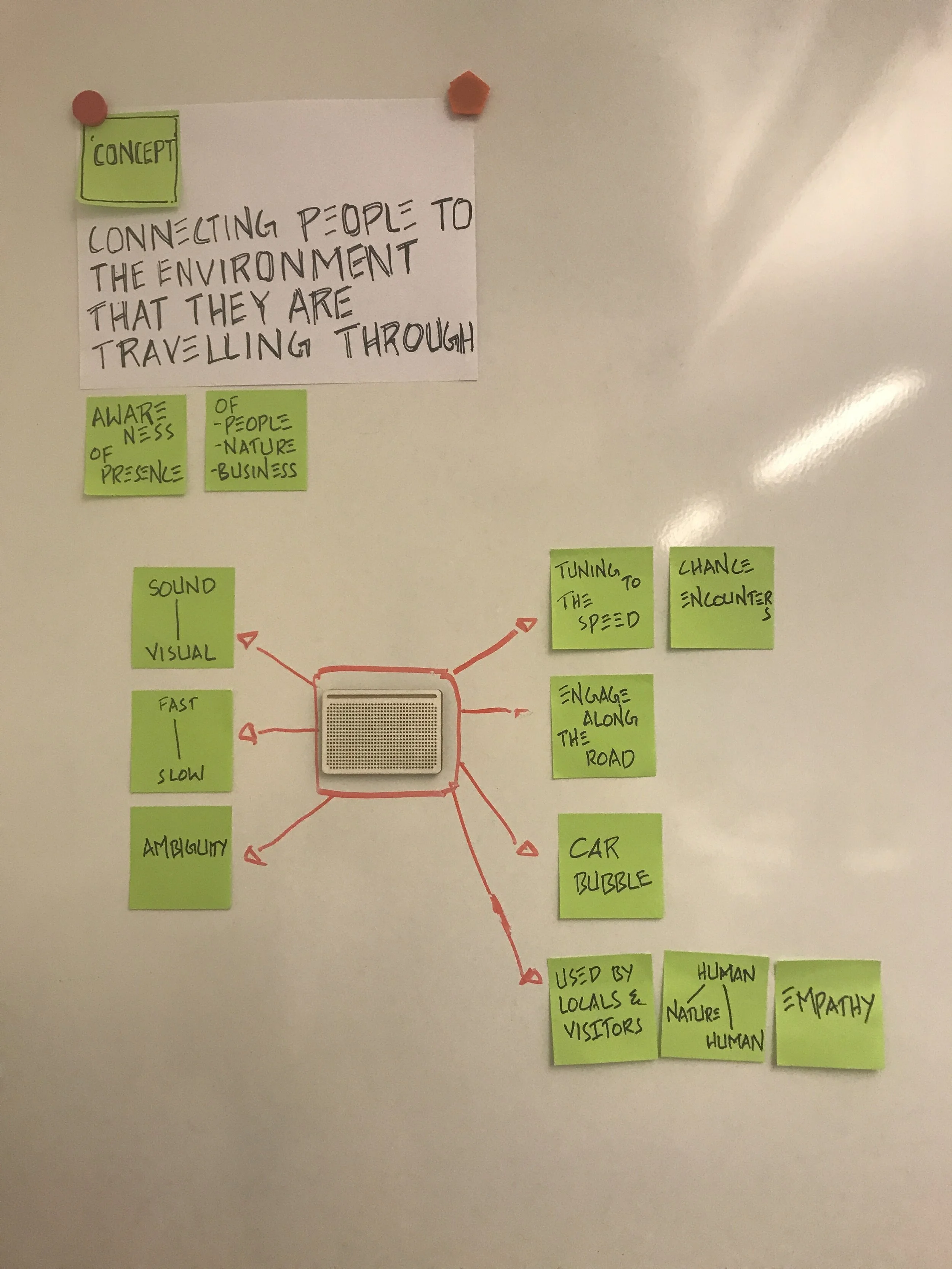
How - Creating an explorative experience through chance encounters that raise an awareness of presence of people, nature and local businesses by playing with opposite tensions (fast and slow pace of interaction) and ambiguous triggers (low res information).
Ideas in the Making
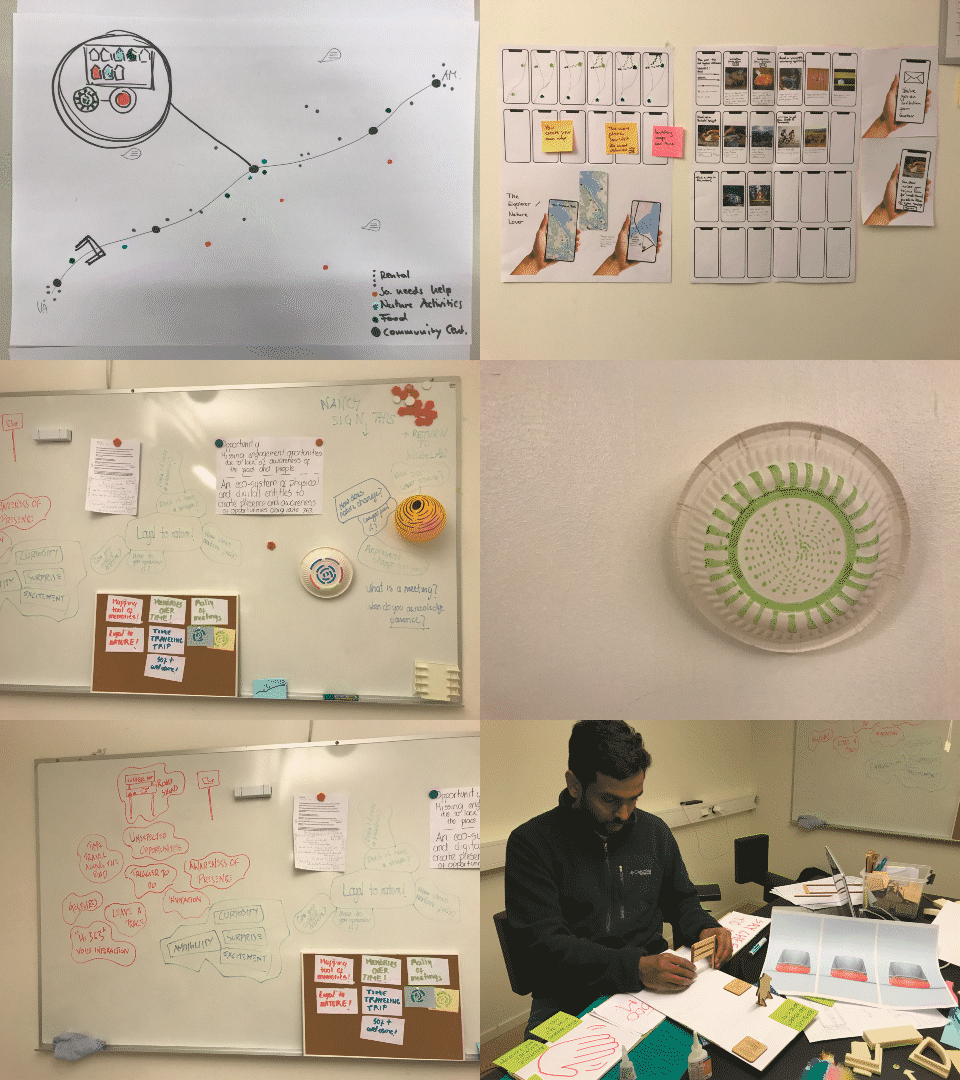
We looked at all of our ideation prototypes and realised that we would like to play with opposite tensions and the speed people are travelling at, animating people to slow down - show different information in different speeds. Another aspect that we wanted to include where our senses by experimenting with sounds and lights to spark curiosity. Through the eco system we wanted to give people along the road a voice and tell stories about the region to create a better bond between visitors and locals. And to include the desired results of the workshop we decided to make the experience an exploration on the go.
Connecting People to the Environment they are Travelling through
Going back on site with early prototypes
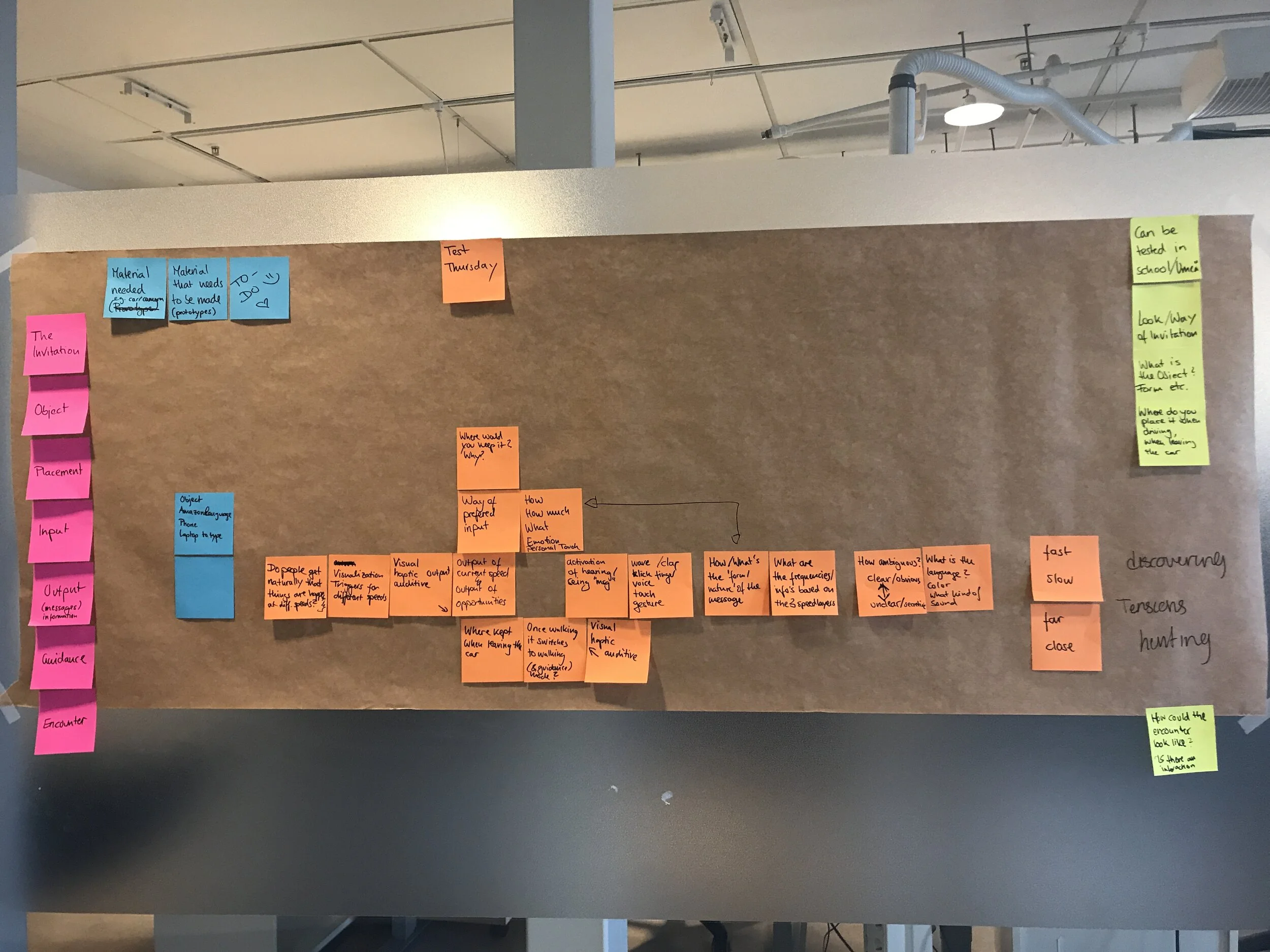
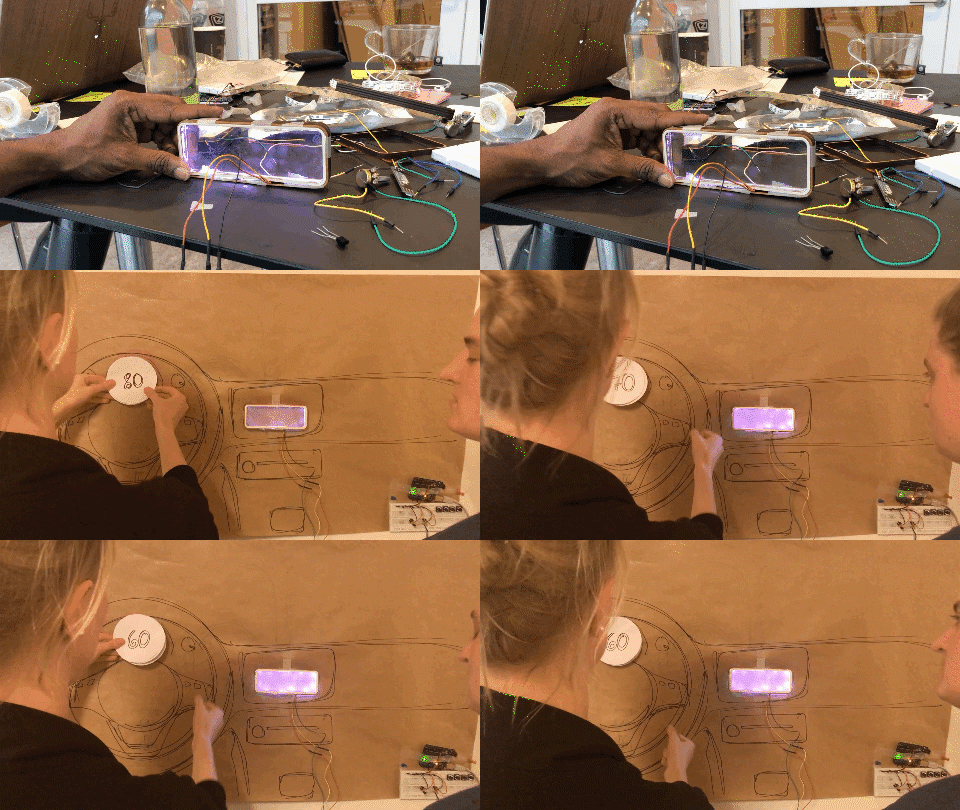
What we wanted to test: Level of ambiguity to spark curiosity? What should be the input what the output? What kind of interactions work well? What user scenarios? What would locals or visitors use this eco-system for?
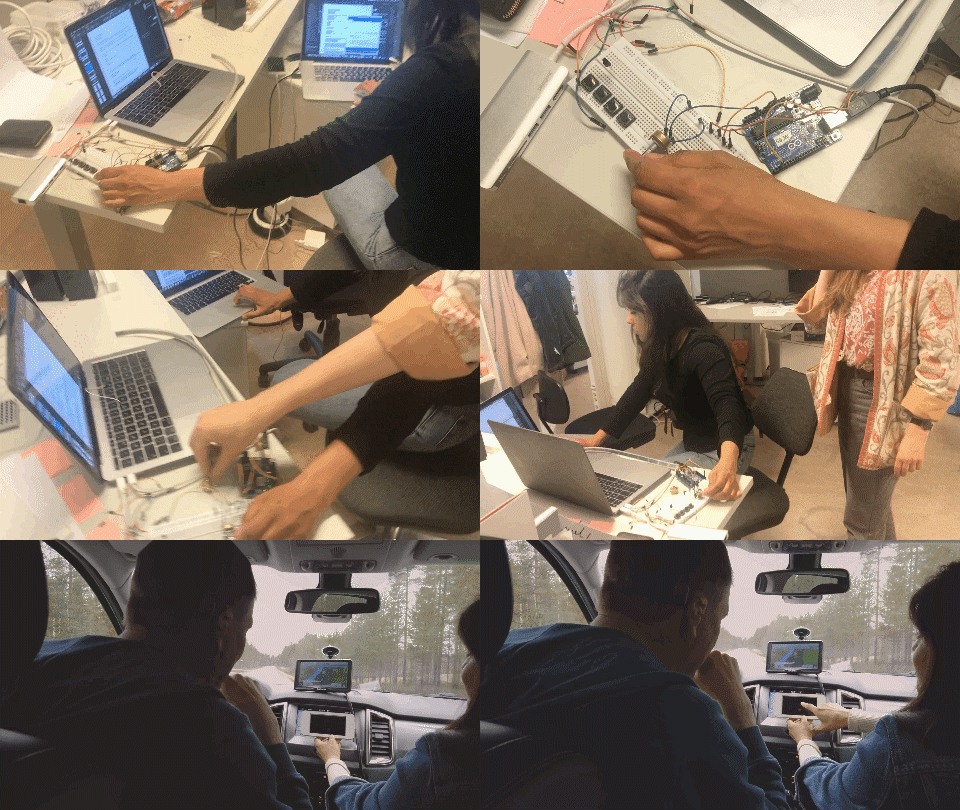
During our user testing we learned that the tendency was towards trigger of some kind of low resolution - nothing distractive, that needs too much visual attention while driving. People found the phone to be the best device for input. For the output they declared they would prefer a device that could stay in the car and automatically connects to the inbuilt car speakers. Regarding the interaction most of the parents wished for something that would also be possible to interact with from the back seat such as waving at the device. The moment we had the users listen to the recorded voice messages, they started to smile and felt like this was a first personal connection to someone along the road
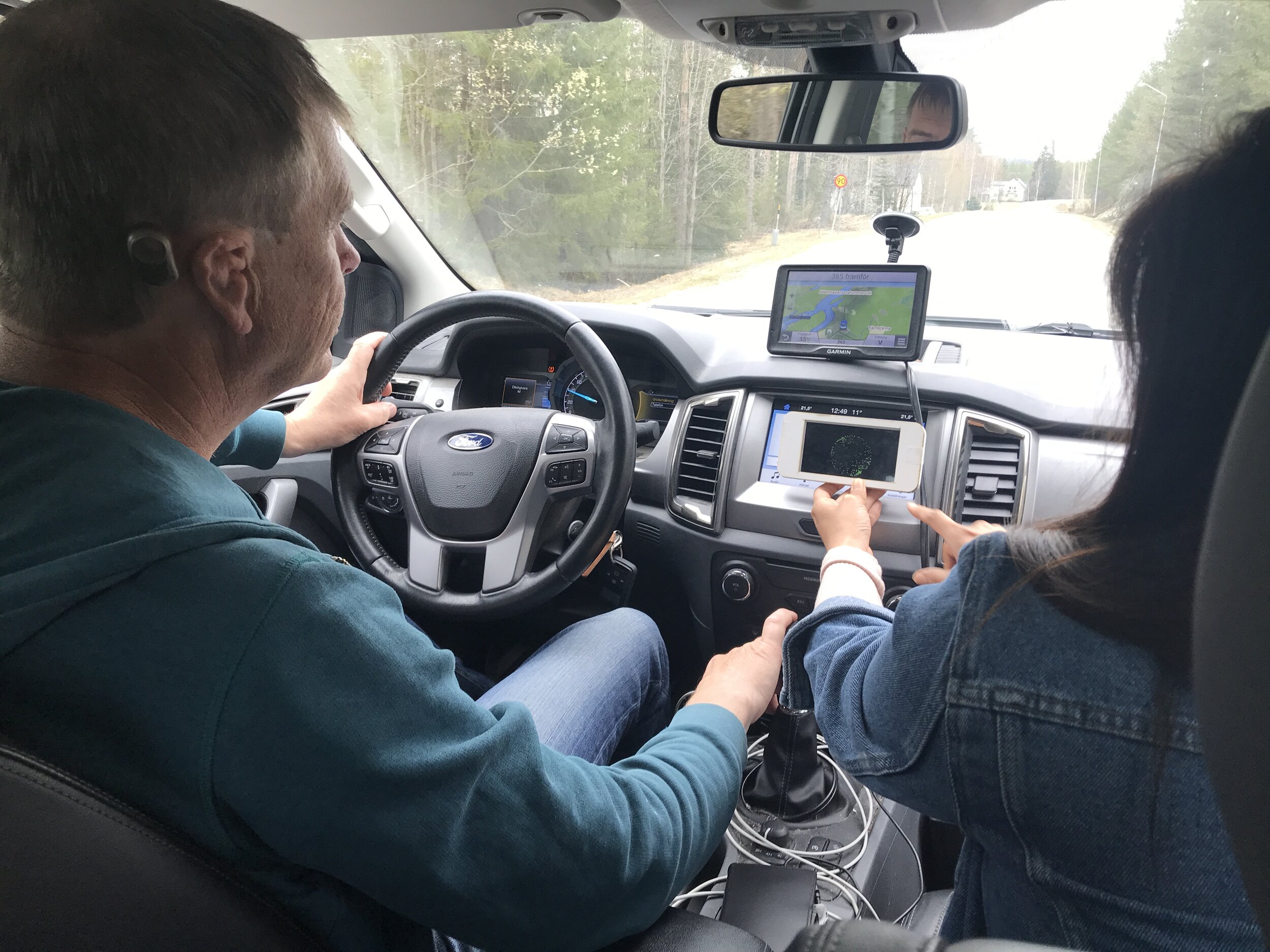
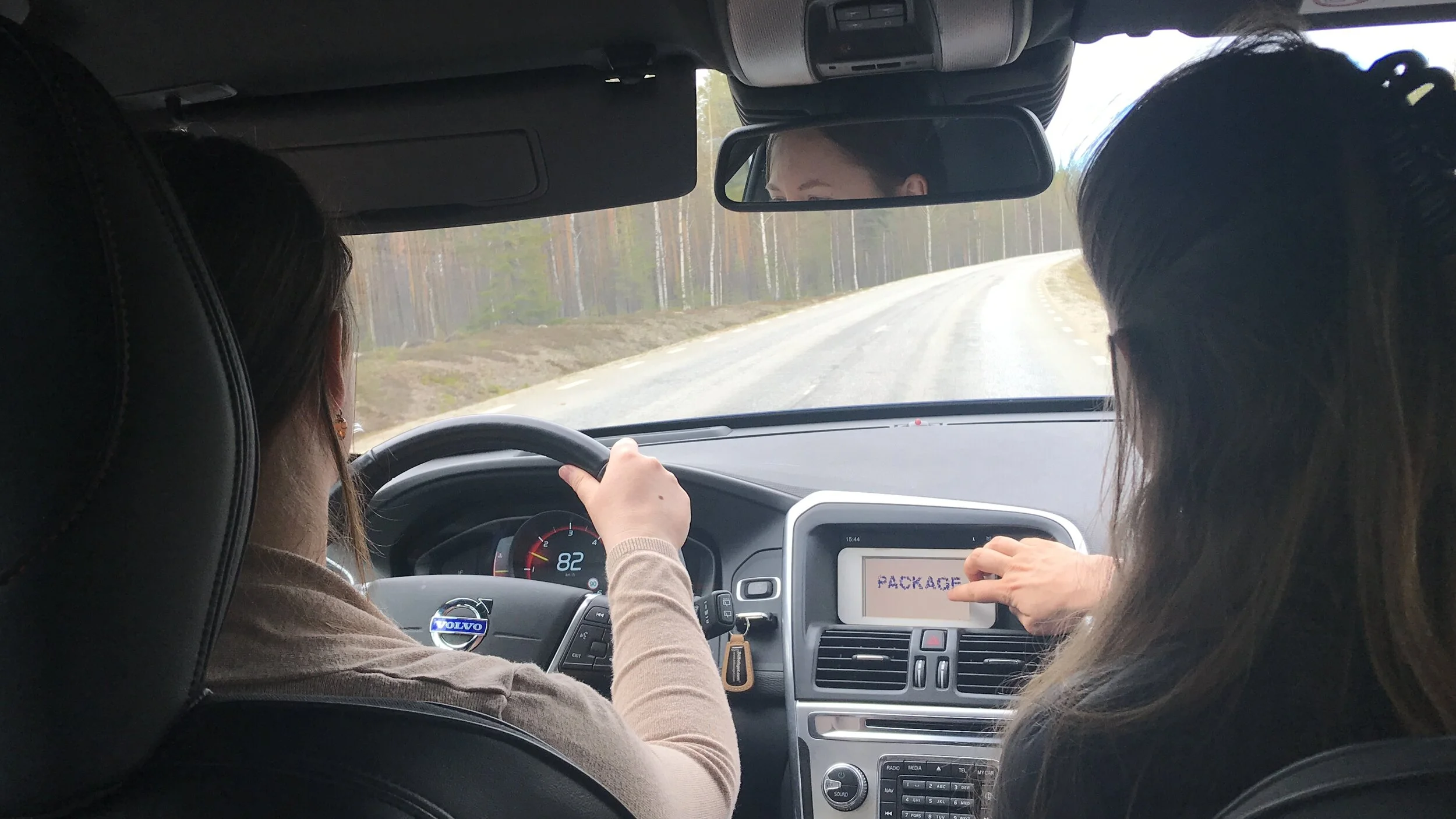
Ambiguity, Curiosity, Sounds and Light
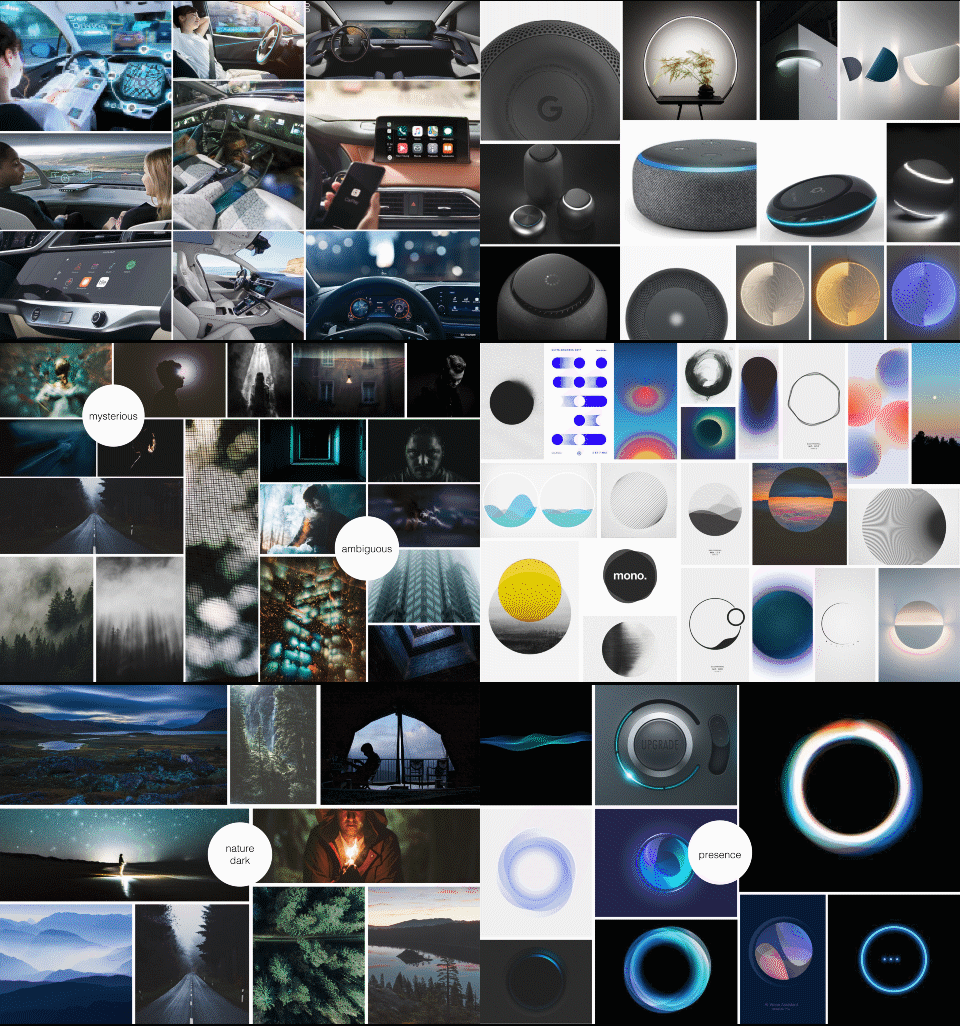
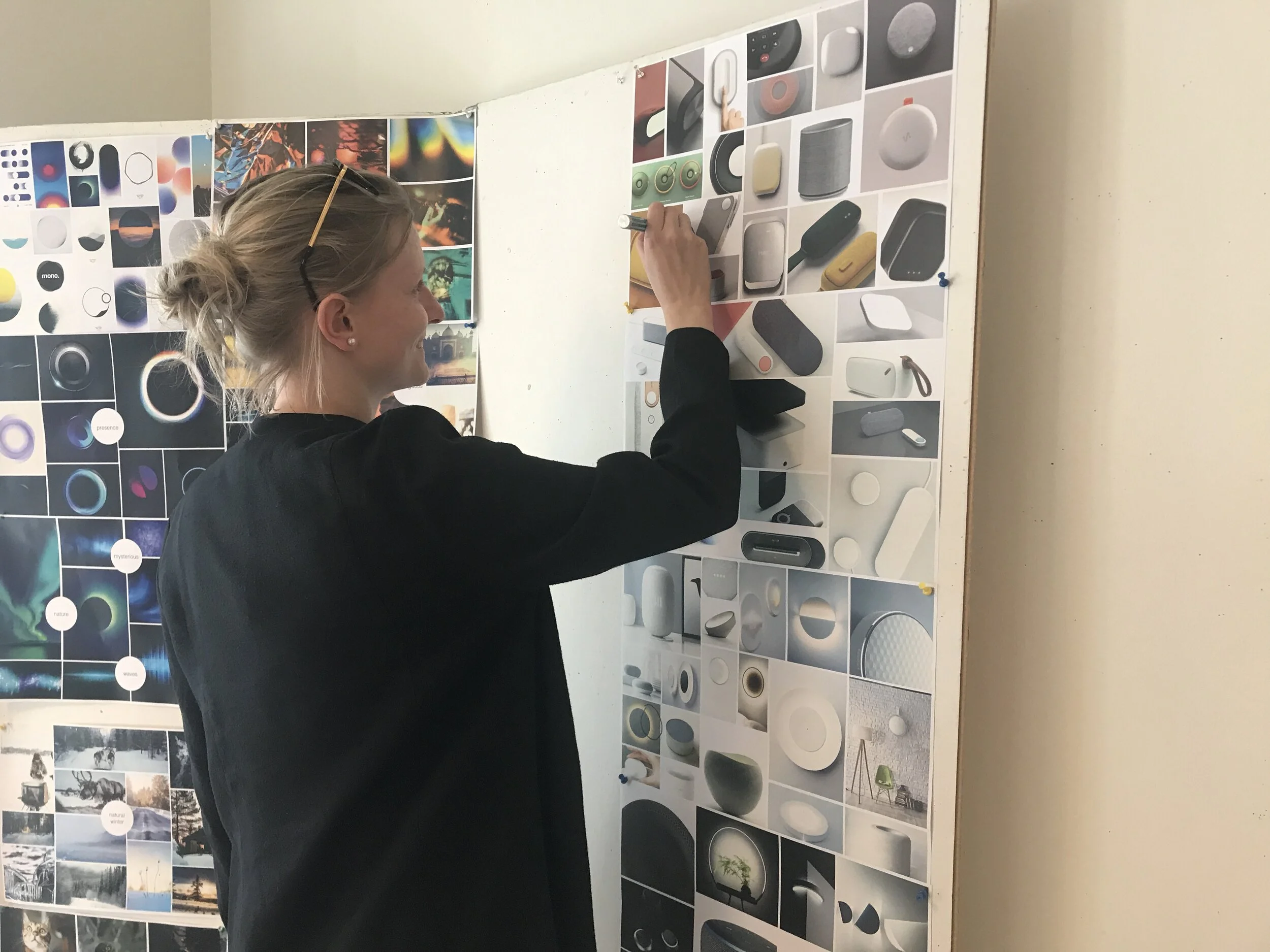
Creating several mood boards we decided as a team that we would like to create something simple, minimalistic and not too distractive. And choose to work with plexiglas with a wooden frame as a metaphor and symbol for “a window to the outside world”.
Feasible interactions for those who drive
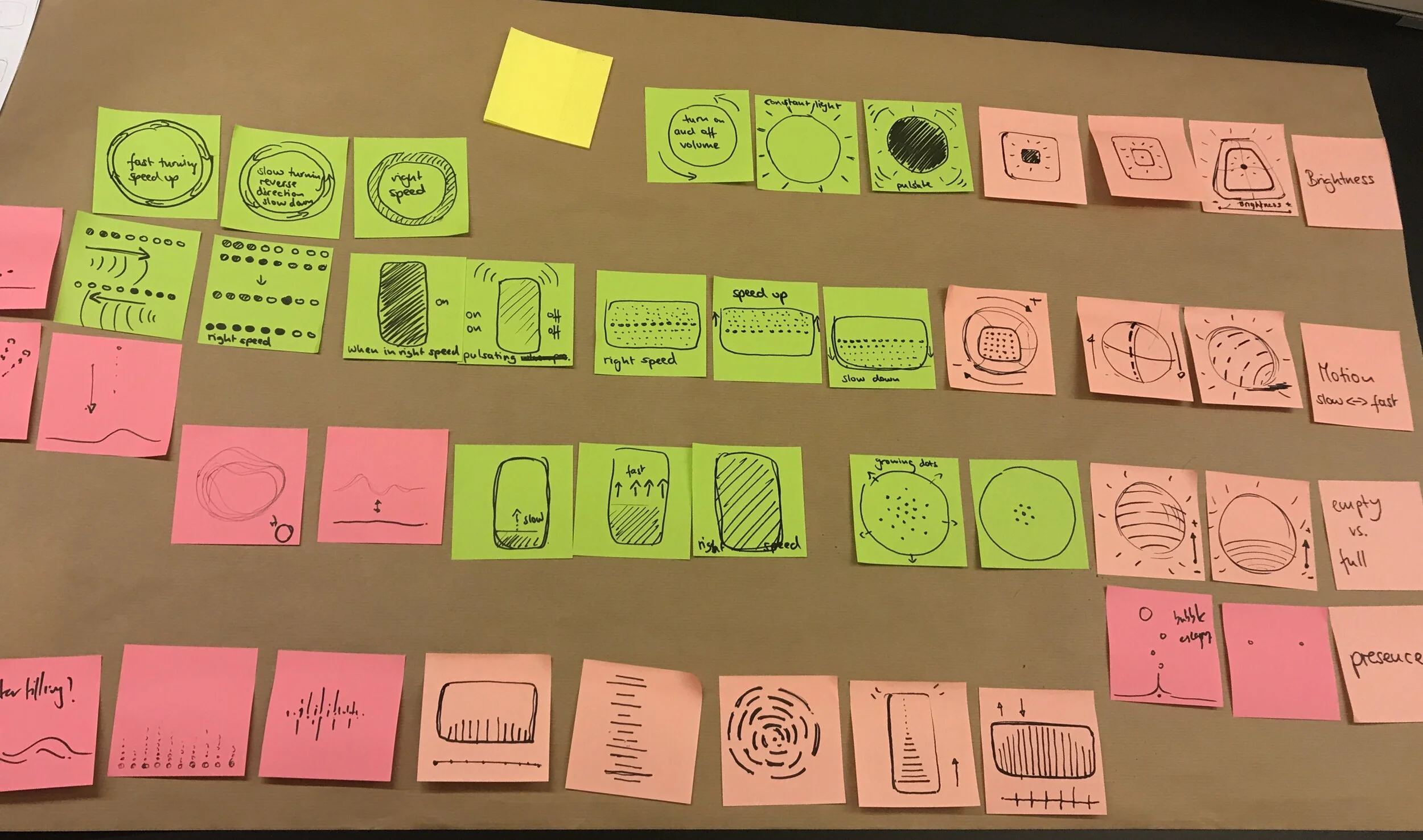
For the interaction we choose something simple and big gestures, which do not need much visual attention to detail such as pressing on a specific area on a screen but instead to stroke or wave at the device. Based on the feedback we choose big movements that are playful for the whole family even from the back seats and feasible during driving.
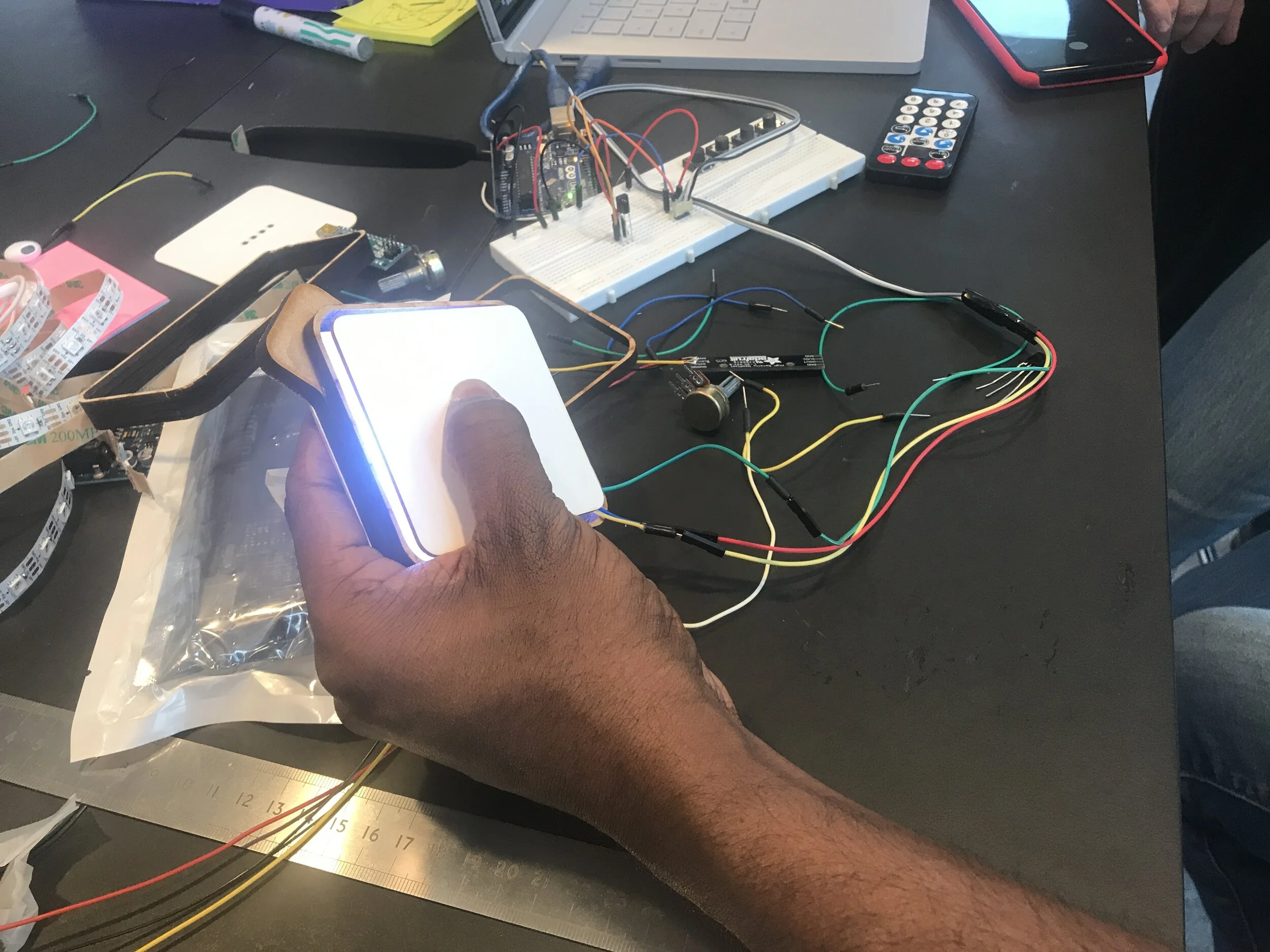
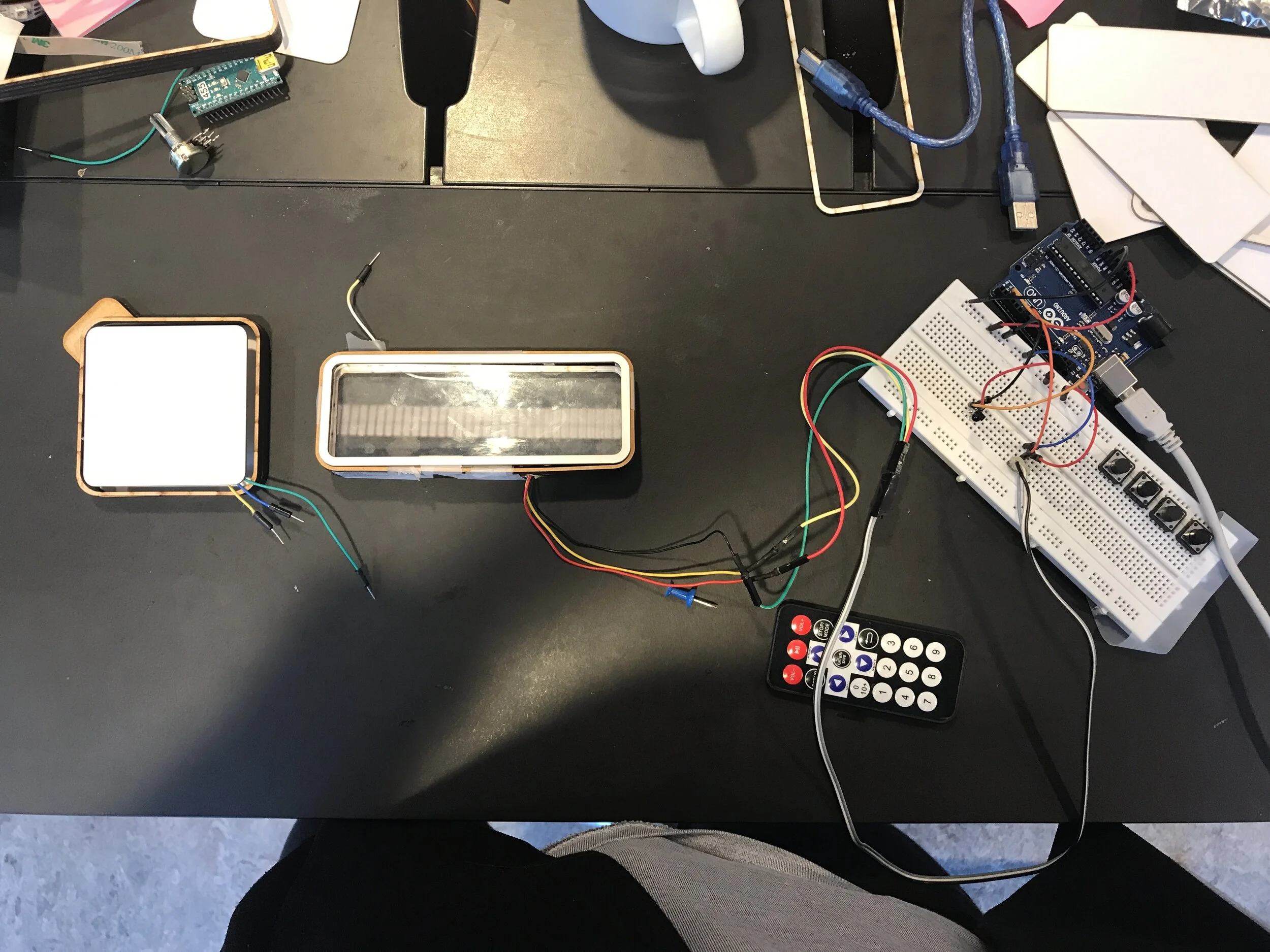
Prototyping, iterations and final model
With further prototypes and tests we defined the final shape of the device and its light patterns as well as the audio output.
Storyboard and desired emotions to get across to our audience
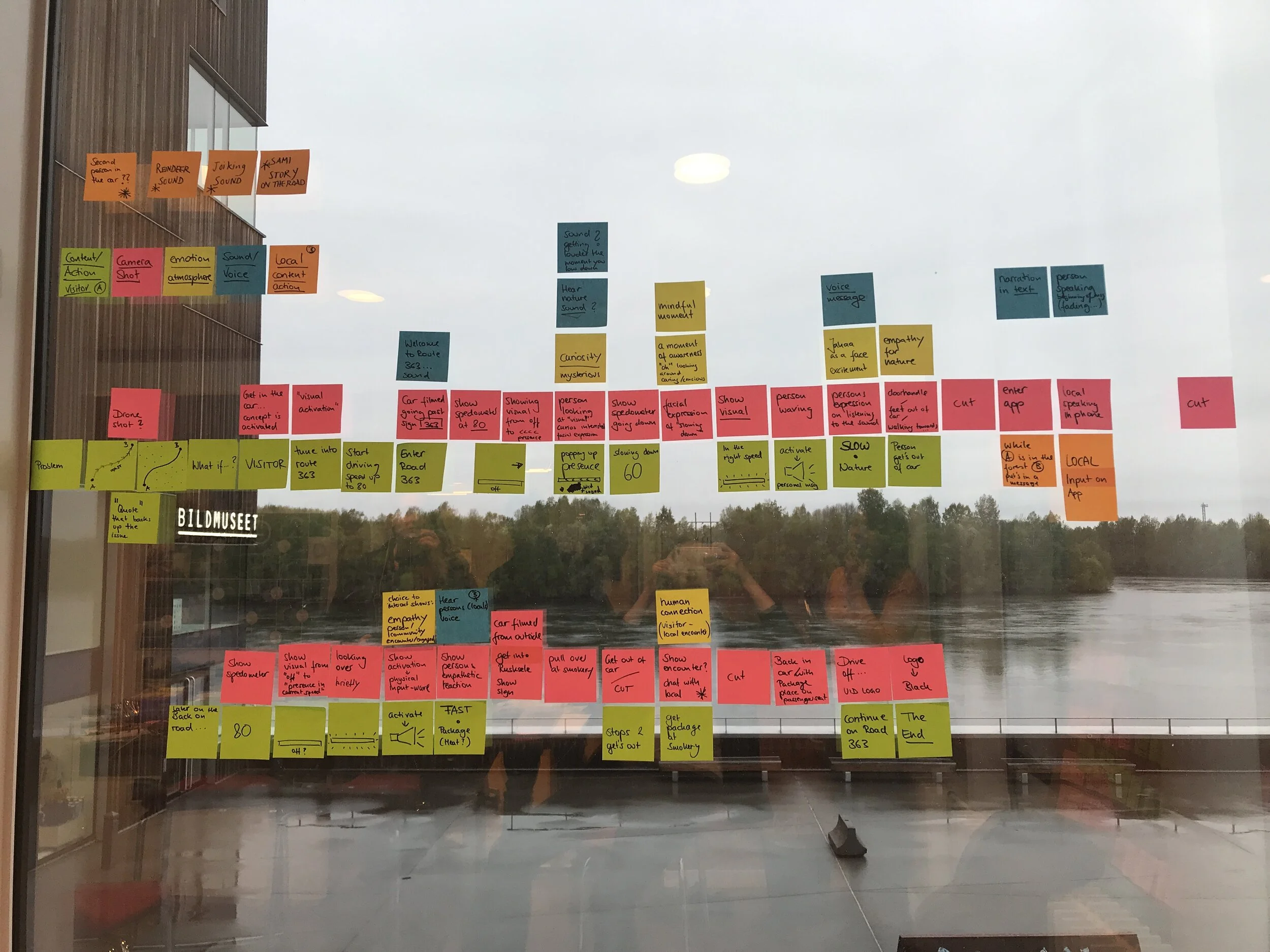
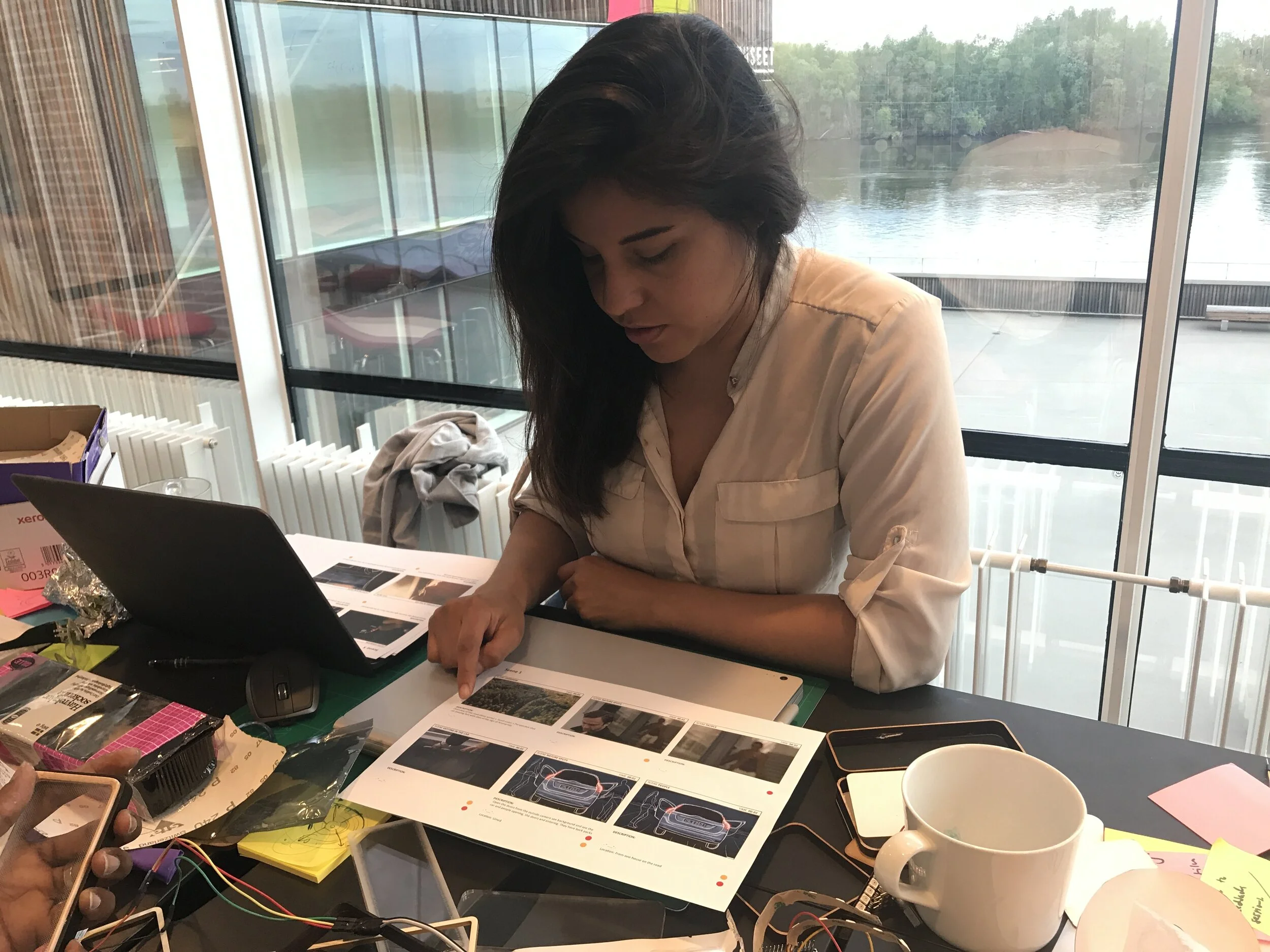
For the final output and concept video it was important for us to take diversity into account and tried to avoid any negative and stereotypes as we choose the actors. As we planned the movie shooting we tried to plan each shot thoroughly with pictures scene by scene to safe time, as a support and to make sure we wouldn’t miss anything during the filming.
Final result
Feedback from locals
Small reflection and what I have learned
This was the projects where I have talked to the largest number of users so far. We as a class have talked to over 80 users and had the privilege to stay with locals, as well as had the chance to learn about many different perspectives from different parties along the road.
After the trip it was quite complex to gather and capture the most important findings from over 80 people in one day as well to make sure, that someone, who has never been to the area or talked to those users could also build empathy for them and be able create something based on that. I learned what it means to break something down, find patterns and try to make the findings easy understandable for others.
Overall during the whole process I realised that it was really important to not get lost in details and take decisions sooner than later and rather try to iterate as much as possible than get stuck with the first idea.
One of the best decisions we as a team took, was to formulate a brief for ourselves right after we got back from the field trip. It turned out to be one of the toughest tasks to narrow down, let go of other interesting and surely also valuable findings and set a clear focus as a team. Part of that process was that we kept iterating the brief while ideating further. This brief provided the base for everything afterwards, it was something defined, that we could always return back to if we felt we were drifting off and lost focus.
Another great thing I would love to keep doings in future projects is together formulate a how we called it “team contract” including everyones individual as well as group expectations, goals and common working hours. It really helped us to support each other and divide tasks accordingly.
Thank you.
Finally I want to thank all the parties involved during the whole project. The visitors and residents that we got to talk to and stay with, who shared all the stories and perspectives about the road and area. Additionally to that I would like to thank all of our great collaborators and tutors, of which we had a great variety during this course. They really provided great guidance, support and inspiring thoughts that really helped and inspired us to follow the path that we took.